 Business License
Metal fittings used in petroleum equipment
Metal fittings in petroleum equipment play a crucial role in ensuring the safe, efficient, and reliable operation of oil and gas extraction, processing, and transportation systems. These fittings must withstand extreme pressures, temperatures, and corrosive environments. Here are some common types of metal fittings used in petroleum equipment and their applications:
Types of Metal Fittings
Pipe Fittings
Types: Elbows, tees, reducers, couplings, unions, caps, plugs.
Materials: Carbon steel, stainless steel, alloy steel, brass.
Applications: Connecting and routing pipelines in various configurations, adapting to different pipe sizes, and sealing pipe ends.
Flanges
Types: Weld neck, slip-on, socket weld, threaded, blind, lap joint.
Materials: Carbon steel, stainless steel, alloy steel, nickel alloys.
Applications: Connecting pipes, valves, pumps, and other equipment to form a piping system, providing easy access for cleaning, inspection, or modification.
Valves
Types: Gate valves, globe valves, ball valves, butterfly valves, check valves, pressure relief valves.
Materials: Carbon steel, stainless steel, alloy steel, brass, bronze.
Applications: Controlling the flow of fluids, regulating pressure, and providing safety mechanisms in petroleum processing and transportation systems.
Adapters and Connectors
Types: Male adapters, female adapters, straight connectors, reducing connectors.
Materials: Carbon steel, stainless steel, alloy steel, brass.
Applications: Connecting different types of pipes and fittings, transitioning between different sizes or materials.
Couplings
Types: Full couplings, half couplings, reducing couplings, compression couplings.
Materials: Carbon steel, stainless steel, alloy steel, brass.
Applications: Joining two pipes together, often used for repair or temporary connections.
Nipples
Types: Close nipples, hex nipples, reducing nipples.
Materials: Carbon steel, stainless steel, alloy steel, brass.
Applications: Extending pipe lengths, providing connection points for other fittings.
Swivel Joints
Materials: Carbon steel, stainless steel, alloy steel.
Applications: Allowing rotational movement of connected pipes or hoses, used in loading and unloading arms, and other dynamic applications.
Manifolds
Materials: Carbon steel, stainless steel, alloy steel.
Applications: Distributing or combining fluids, used in various stages of petroleum processing and transport systems.
Material Considerations
Carbon Steel
Advantages: Strong, durable, cost-effective.
Applications: General use in petroleum pipelines and fittings, suitable for handling oil, gas, and water.
Stainless Steel
Advantages: Corrosion-resistant, strong, temperature-resistant.
Applications: Ideal for corrosive environments, offshore drilling, and processing plants.
Alloy Steel
Advantages: Enhanced mechanical properties, high strength, corrosion resistance.
Applications: High-pressure and high-temperature applications, sour gas environments.
Brass and Bronze
Advantages: Corrosion-resistant, good machinability.
Applications: Low-pressure systems, instrumentation fittings.
Key Applications in the Petroleum Industry
Drilling Rigs
High-Pressure Fittings: For mud systems, blowout preventers (BOPs), and other high-pressure applications.
Corrosion-Resistant Fittings: For handling drilling fluids and chemicals.
Refineries
Heat-Resistant Fittings: For high-temperature processes like distillation and cracking.
Corrosion-Resistant Fittings: For handling corrosive substances like sulfur compounds.
Pipelines
High-Strength Fittings: For long-distance transport of oil and gas, resisting pressure and mechanical stress.
Leak-Proof Fittings: Ensuring the integrity of connections to prevent leaks and spills.
Storage Facilities
Pressure-Relief Valves: For safety in storage tanks.
Swivel Joints: For flexible connections in loading arms and distribution systems.
Offshore Platforms
Corrosion-Resistant Fittings: To withstand harsh marine environments.
High-Strength Fittings: For structural and safety-critical applications.
Conclusion
Metal fittings are essential components in petroleum equipment, providing the necessary connections, control, and safety mechanisms in various systems. The choice of materials and types of fittings depends on the specific application requirements, such as pressure, temperature, corrosion resistance, and mechanical strength. By selecting the appropriate fittings, the petroleum industry ensures the efficient, safe, and reliable operation of its processes.
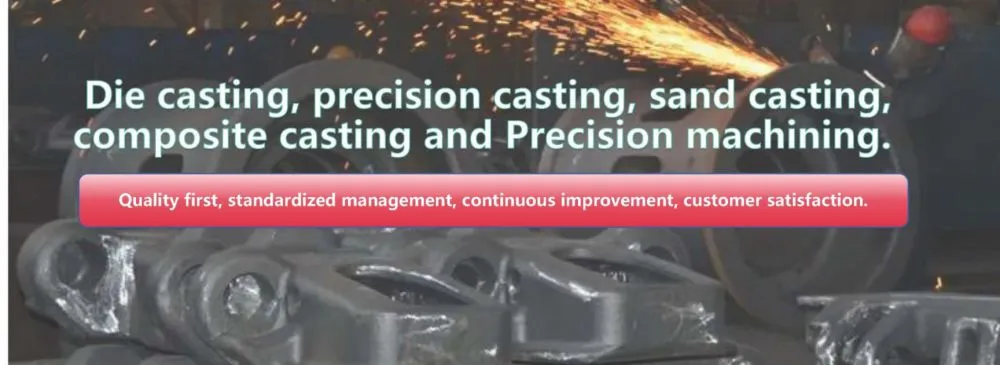
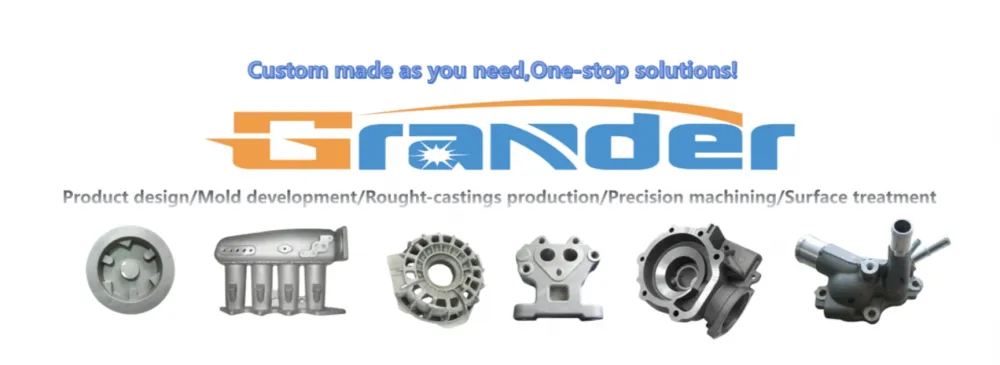
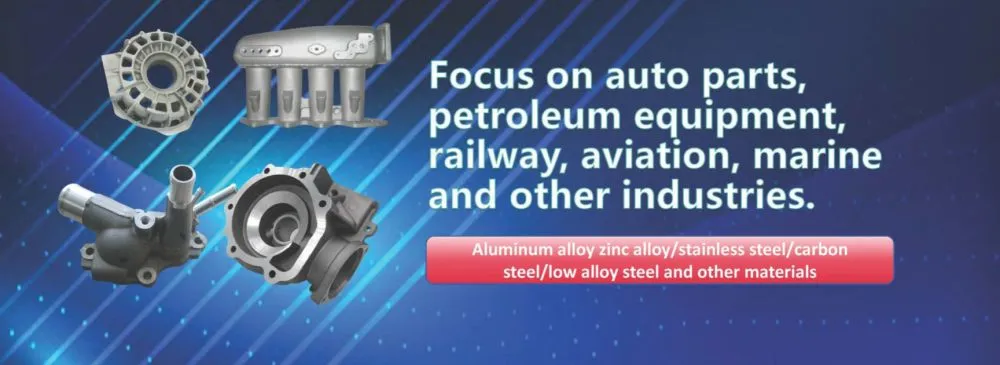
Qingdao Grander Machinery Co., Ltd. is located in the beautiful coastal city - Qingdao Huangdao District, close to the port of Qingdao. Our company mainly engaged in aluminum alloy (high and low pressure and gravity casting), zinc alloy products, stainless steel, carbon steel and low alloy steel (silica sol precision casting, composite process casting, sand casting, etc.) products, processing all kinds of mechanical parts, The products involve auto parts, petroleum equipment, high-speed rail train parts, pump & valve parts, Marine hardware, building hardware, pneumatic tools, measuring instruments and equipment, food machinery, heat treatment equipment, hydraulic pneumatics and other wide fields.
Recently Posted
-
Silica sol precision casting
December 24, 2025Silica sol precision casting, also known as investment casting or lost-wax casting, is a manufacturing process used to c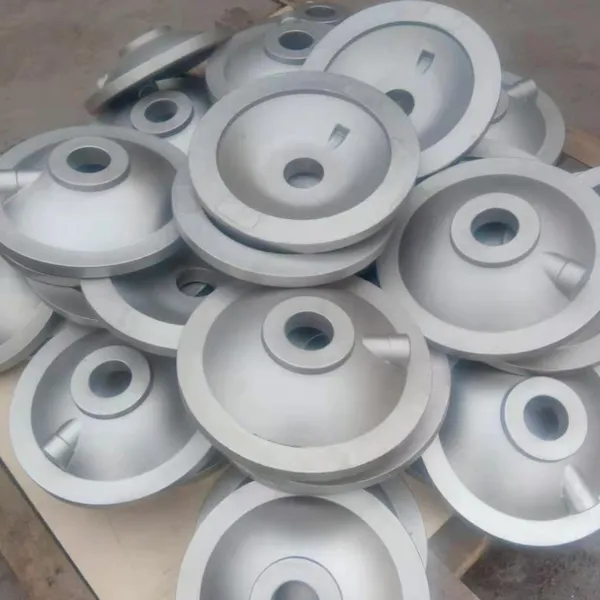 Read More
 -
sand casting for machinery spare parts /Agricultural machinery
December 24, 2025Sand casting is a traditional and widely used method of casting metals into desired shapes using sand molds. It's especia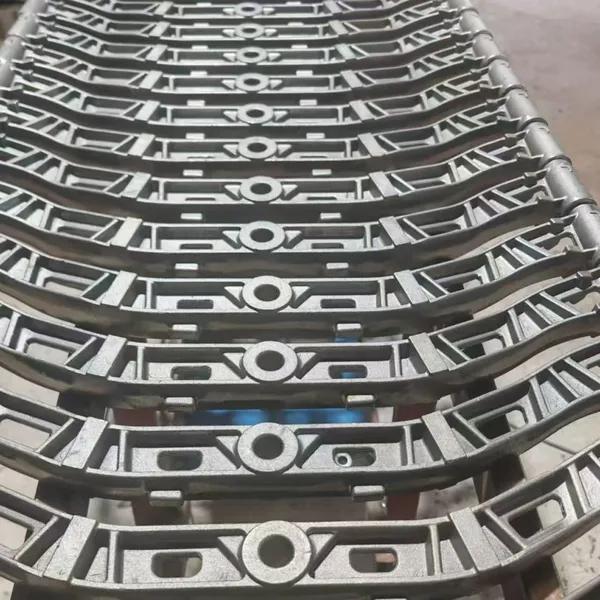 Read More
 -
what is gravity die casting?
December 24, 2025Gravity die casting, also known as permanent mold casting, is a manufacturing process where molten metal is poured into a reusable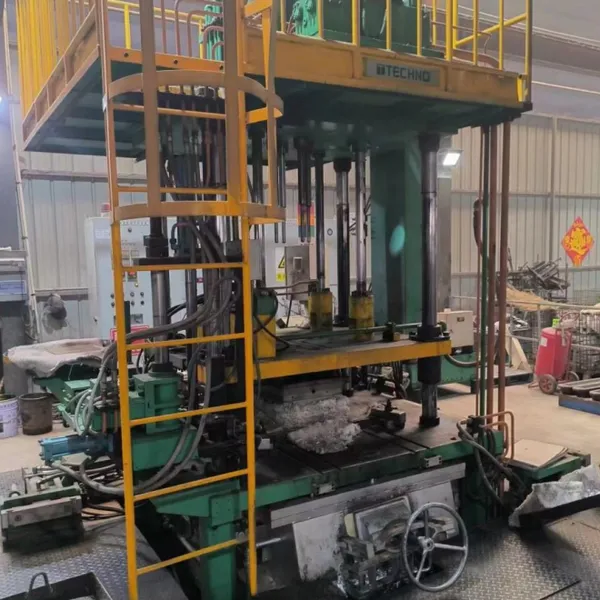 Read More
 -
advantages of aluminum alloy die casting
December 24, 2025Aluminum alloy die casting offers numerous advantages that make it a preferred manufacturing method for producing complex, hi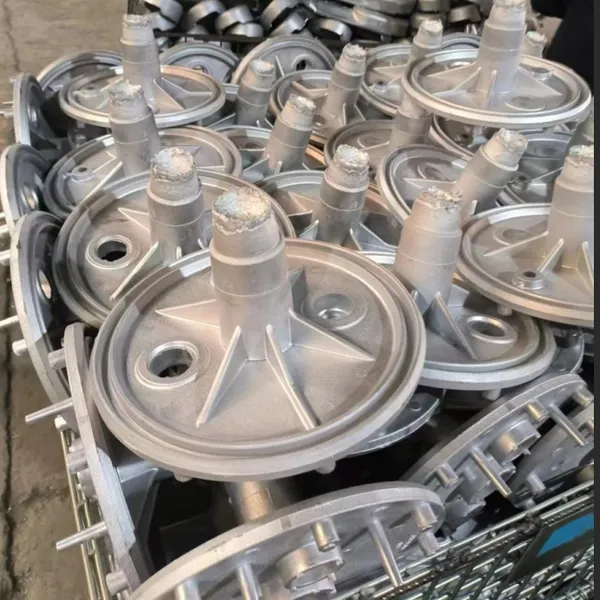 Read More

Contact Us
Recommended Products
-
 High Quality Mirror Polished Anchor Stainless Steel Boat Parts/cleat/deck Filler/handle/handrail FittingsUS$ 1 - 500MOQ: 10 Pieces
 -
Customized Stainless Steel Pump Parts /pump Cover/pump Housing /carbon Steel Investment CastingUS$ 1 - 200MOQ: 10 Pieces
-
Customized Mirror Polished Anchor Stainless Steel Machine Spare Parts /handleUS$ 1 - 500MOQ: 10 Pieces
-
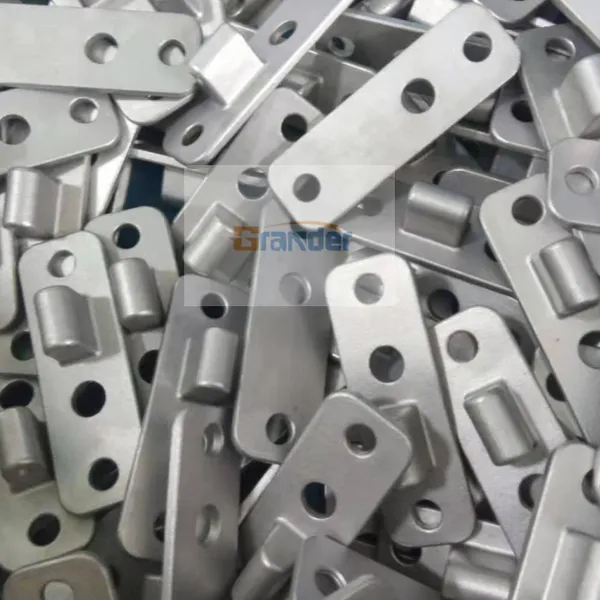
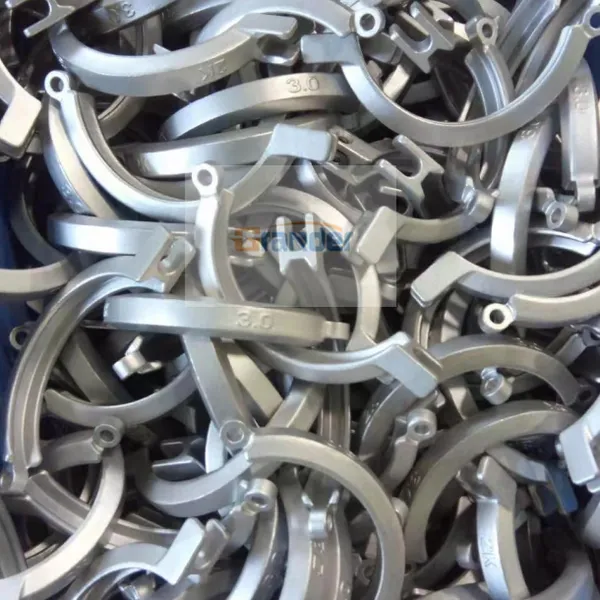
OEM Stainless Steel Investment Casting/SS316 304 Pipe Clamp/Pipe Metal FittingsUS$ 1 - 200MOQ: 10 Pieces
-
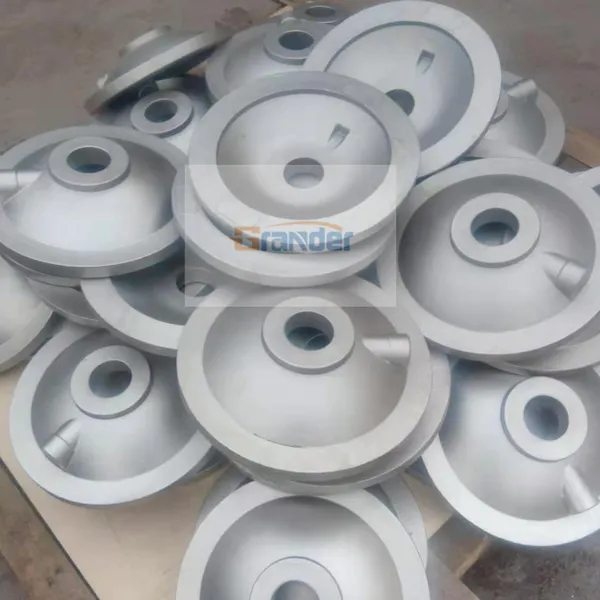
Customized Stainless Steel Pump Parts /pump Cover/pump Housing /carbon Steel Investment CastingUS$ 1 - 200MOQ: 10 Pieces
-
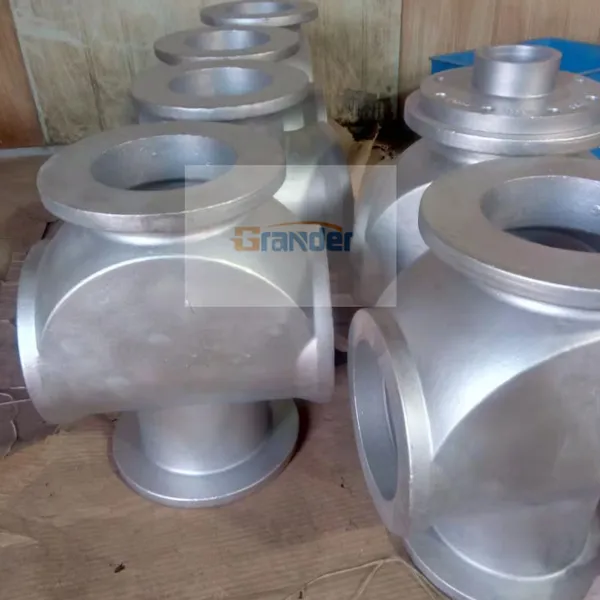
SS 316/304 Valve Body /investment Casting /pump Cover / Silica Sol Precision CastingUS$ 1 - 200MOQ: 10 Pieces
-
High Quality Mirror Polished Anchor Stainless Steel Boat Parts/cleat/deck Filler/handle/handrail FittingsUS$ 1 - 500MOQ: 10 Pieces
-
Customized Mirror Polished Anchor Stainless Steel Boat Parts/cleat/deck Filler/handle/handrail FittingsUS$ 1 - 500MOQ: 10 Pieces
-
SS316/304 Investment Casting /Meat Grinder Screw/Food Machinery PartsUS$ 50 - 200MOQ: 10 Pieces
-
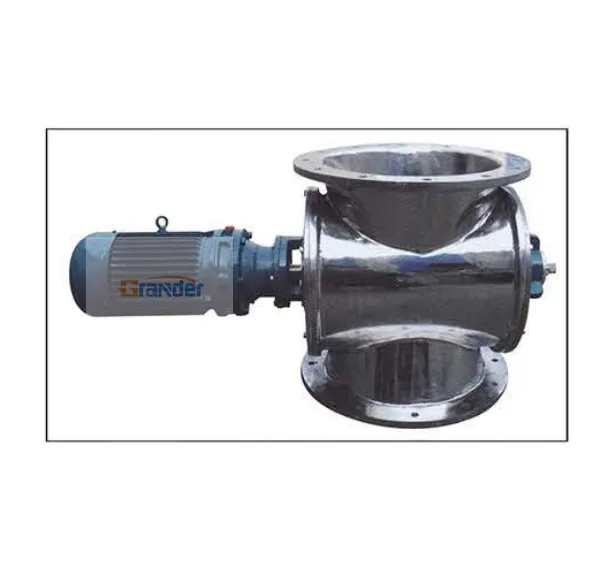
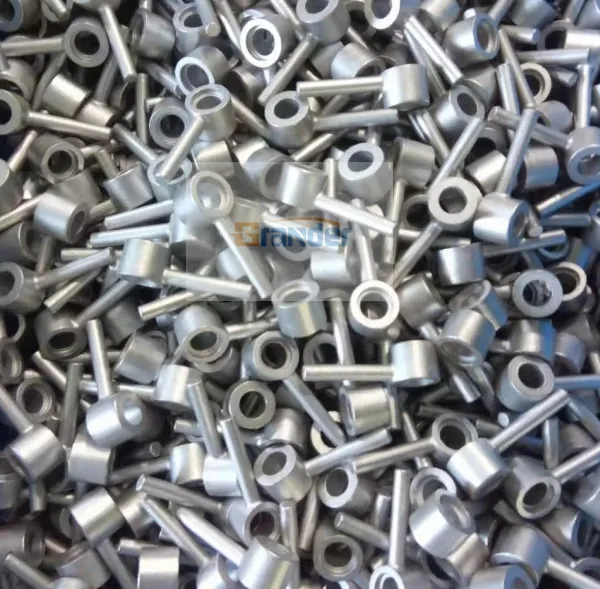
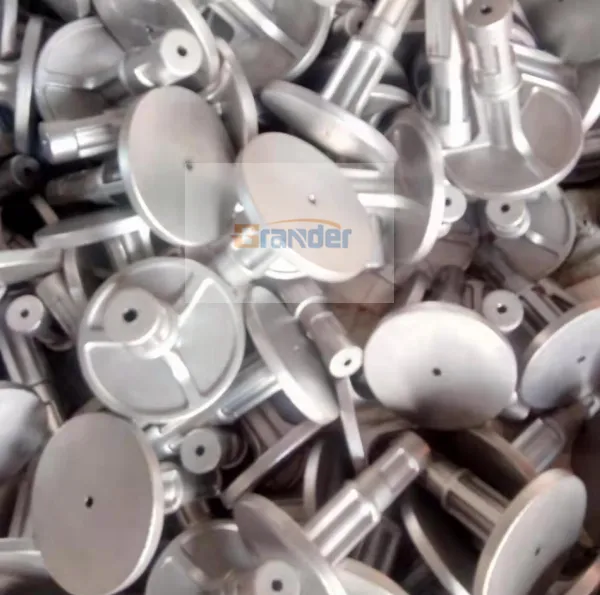
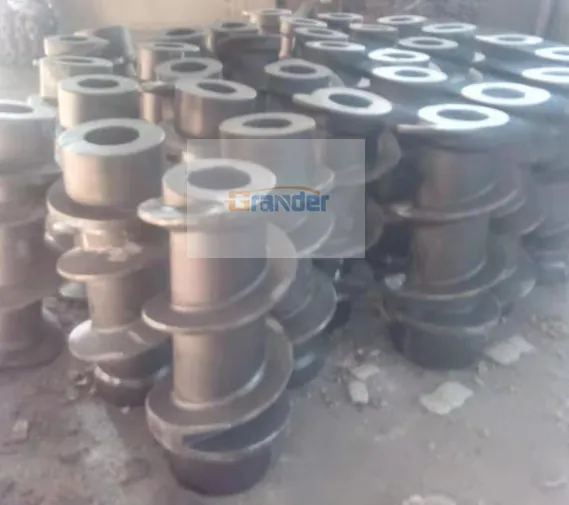
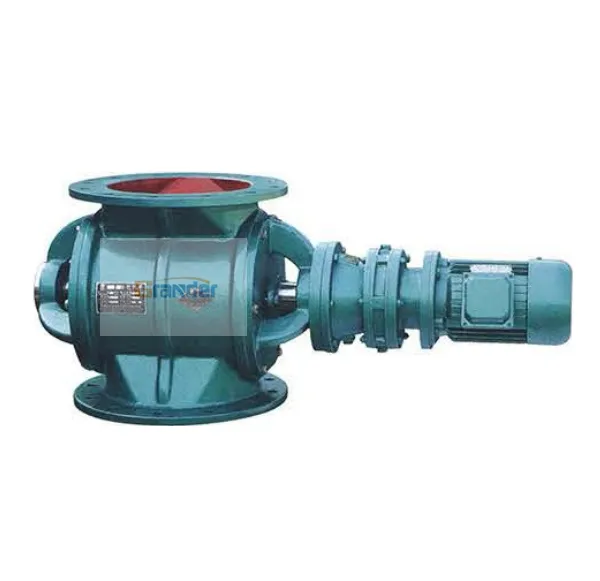
Standard and Non-standard Rotary Feeder/ the Rotary Valve,/lock Hopper/star Type Feeder/Star-shaped Discharger/unloader for Chemical EngineeringUS$ 50 - 500MOQ: 5 Pieces
-
Standard and Non-standard Rotary Feeder/ the Rotary Valve,/lock Hopper/star Type Feeder/Star-shaped Discharger/unloader for Chemical EngineeringUS$ 50 - 500MOQ: 5 Pieces
-
Standard and Non-standard Rotary Feeder/ the Rotary Valve,/lock Hopper/star Type Feeder/Star-shaped Discharger/unloader for Chemical EngineeringUS$ 50 - 500MOQ: 5 Pieces
-
Standard and Non-standard Rotary Feeder/ the Rotary Valve,/lock Hopper/star Type Feeder/Star-shaped Discharger/unloader for Chemical EngineeringUS$ 50 - 500MOQ: 5 Pieces
-
Standard and Non-standard Rotary Feeder/ the Rotary Valve,/lock Hopper/star Type Feeder/Star-shaped Discharger/unloader for Chemical EngineeringUS$ 50 - 500MOQ: 5 Pieces
-
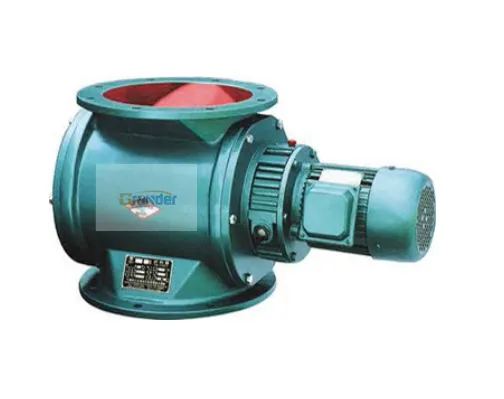
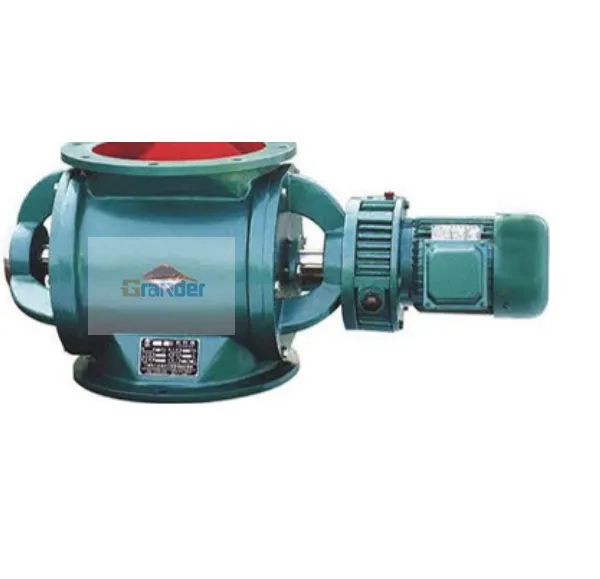
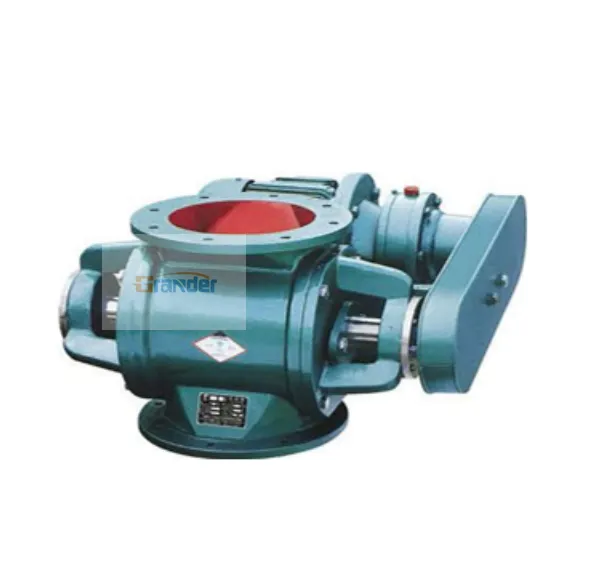
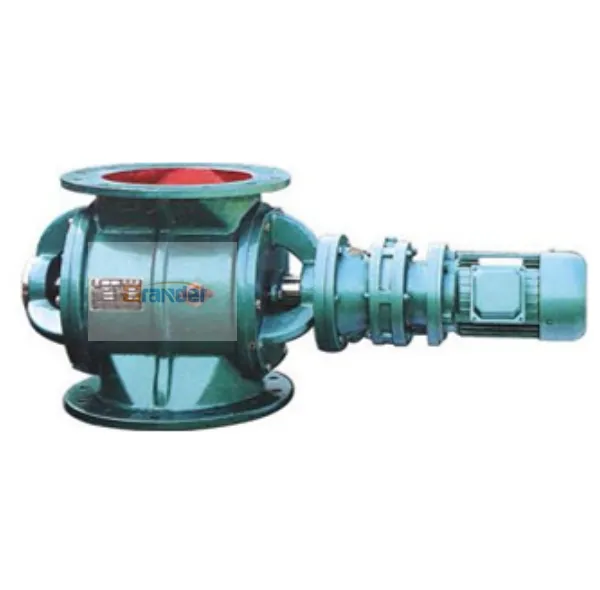
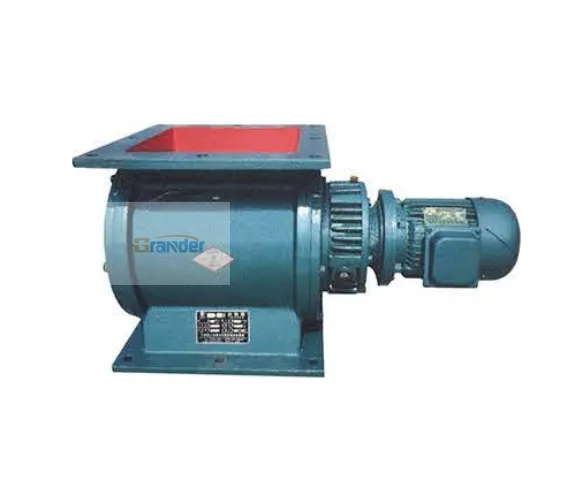
High Temperature -resistance Rotary Feeder/ the Rotary Valve,/lock Hopper/star Type Feeder/Star-shaped Discharger/unloader for Chemical EngineeringUS$ 50 - 500MOQ: 5 Pieces
-
High Temperature -resistance Rotary Feeder/ the Rotary Valve,/lock Hopper/star Type Feeder/Star-shaped Discharger/unloader for Chemical EngineeringUS$ 50 - 500MOQ: 5 Pieces
-
High Temperature -resistance Rotary Feeder/ the Rotary Valve,/lock Hopper/star Type Feeder/Star-shaped Discharger/unloader for Chemical EngineeringUS$ 50 - 500MOQ: 5 Pieces
-
High Temperature -resistance Rotary Feeder/ the Rotary Valve,/lock Hopper/star Type Feeder/Star-shaped Discharger/unloader for Chemical EngineeringUS$ 50 - 500MOQ: 5 Pieces
-
High-quality Rotary Feeder/ the Rotary Valve,/lock Hopper/star Type Feeder/Star-shaped Discharger/unloader for Chemical EngineeringUS$ 50 - 500MOQ: 5 Pieces
-
Customized Rotary Feeder/ the Rotary Valve,/lock Hopper/star Type Feeder/Star-shaped Discharger/unloader for Chemical EngineeringUS$ 50 - 500MOQ: 5 Pieces