 Business License
what is gravity die casting?
Gravity die casting, also known as permanent mold casting, is a manufacturing process where molten metal is poured into a reusable mold (or die) under the influence of gravity. This method is widely used for producing medium to large volume parts with excellent mechanical properties, good dimensional accuracy, and smooth surface finishes. Unlike high-pressure die casting, gravity die casting relies solely on gravity to fill the mold, which makes it suitable for a variety of metals, including aluminum, magnesium, and zinc alloys.
Key Features and Process of Gravity Die Casting
Mold Construction:
Reusable Molds: The molds are typically made from steel or cast iron, designed to withstand repeated heating and cooling cycles.
Die Design: Molds can be complex, with multiple parts to facilitate the removal of the cast part and to create complex geometries.
Molten Metal Pouring:
Gravity Filling: Molten metal is poured into the mold cavity, and gravity helps it flow and fill the cavity without the use of additional pressure.
Manual or Automated: The pouring process can be done manually or with the help of automated systems to ensure consistent fill rates and reduce the risk of defects.
Solidification:
Controlled Cooling: The mold cools the metal at a controlled rate, which can influence the mechanical properties and grain structure of the cast part.
Directional Solidification: The design of the mold and gating system can be optimized to promote directional solidification, reducing the likelihood of defects such as porosity and shrinkage.
Part Ejection:
Mold Opening: Once the metal has solidified, the mold is opened, and the cast part is ejected.
Minimal Machining: Parts often require minimal machining due to the good dimensional accuracy and surface finish achievable with this process.
Applications of Gravity Die Casting
Automotive Industry:
Engine Components: Cylinder heads, pistons, and engine blocks.
Structural Parts: Suspension components, brackets, and housings.
Aerospace Industry:
Airframe Components: Structural parts that require high strength and lightweight properties.
Engine Parts: Components that need excellent thermal stability and resistance to fatigue.
Industrial Equipment:
Pumps and Valves: Components that require good mechanical properties and resistance to corrosion.
Machinery Parts: Parts used in various industrial machines and equipment.
Consumer Goods:
Cookware: High-quality pots and pans made from aluminum.
Tools: Durable and precisely cast hand tools and hardware.
Advantages of Gravity Die Casting
Superior Mechanical Properties:
The controlled cooling process results in a fine-grain structure, which enhances the strength and toughness of the cast parts.
Good Dimensional Accuracy and Surface Finish:
Reusable metal molds provide excellent dimensional accuracy and a smooth surface finish, reducing the need for extensive machining and finishing.
Cost-Effective for Medium to Large Production Runs:
While the initial cost of creating the metal molds can be high, the cost per part decreases significantly with medium to large production volumes due to the reusability of the molds.
Versatility in Material Choice:
Gravity die casting can be used with a wide range of metals and alloys, allowing for flexibility in material selection based on the desired properties of the final part.
Reduced Porosity:
Compared to high-pressure die casting, gravity die casting tends to produce parts with lower levels of porosity, which can be critical for certain applications.
Environmental and Safety Benefits:
The process typically generates less waste and scrap compared to other casting methods. Additionally, the lower operating pressures and simpler equipment contribute to safer working conditions.
Challenges and Considerations
Initial Mold Cost:
The upfront cost for creating the reusable metal molds can be high, which may not be economical for small production runs.
Cycle Time:
Gravity die casting has longer cycle times compared to high-pressure die casting due to the reliance on gravity and the need for controlled cooling.
Complexity of Part Design:
While complex geometries can be achieved, there are limitations compared to high-pressure die casting, particularly for very thin-walled sections.
Manual Labor:
Depending on the setup, the process can be labor-intensive, especially for manual pouring and mold handling, which can impact production efficiency.
Conclusion
Gravity die casting is a reliable and versatile manufacturing process that offers numerous advantages, including superior mechanical properties, good dimensional accuracy, and excellent surface finishes. It is particularly well-suited for medium to large production runs where the initial cost of molds can be justified by the volume of parts produced. With applications spanning the automotive, aerospace, industrial, and consumer goods sectors, gravity die casting remains a valuable method for producing high-quality metal parts.
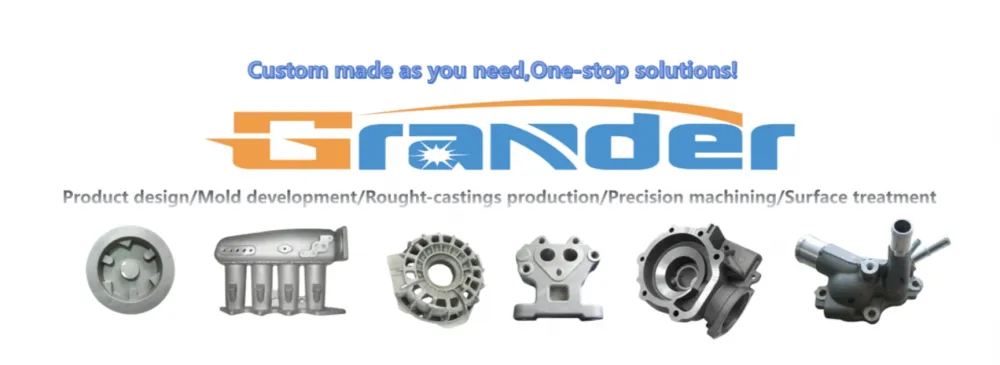
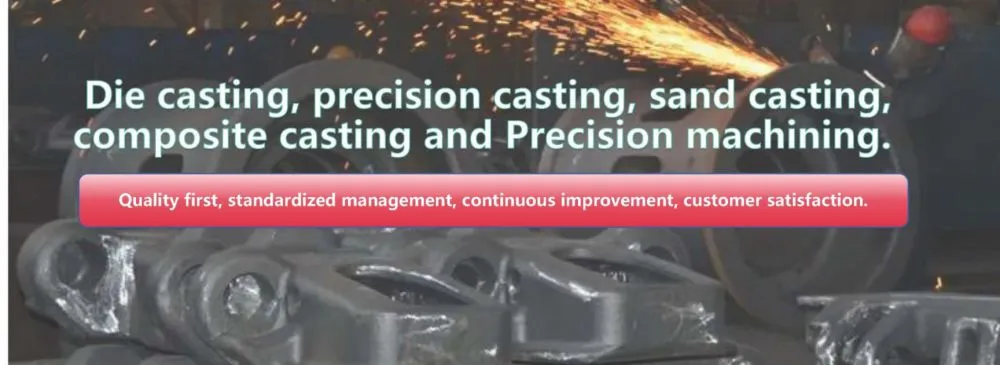
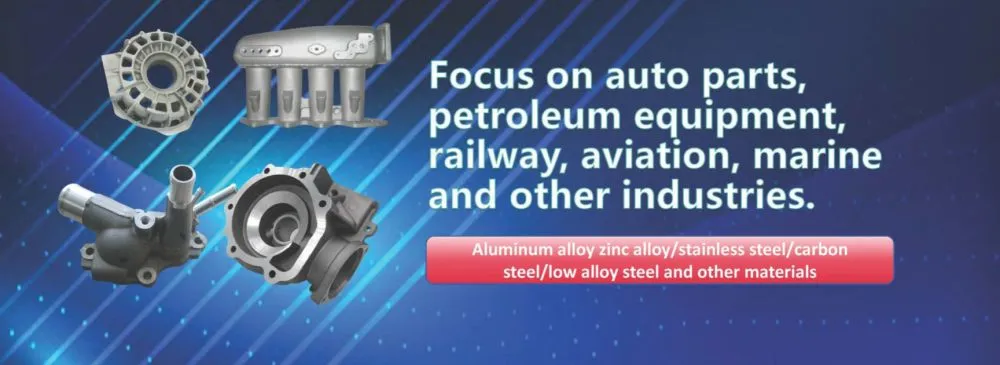
Qingdao Grander Machinery Co., Ltd. is located in the beautiful coastal city - Qingdao Huangdao District, close to the port of Qingdao. Our company mainly engaged in aluminum alloy (high and low pressure and gravity casting), zinc alloy products, stainless steel, carbon steel and low alloy steel (silica sol precision casting, composite process casting, sand casting, etc.) products, processing all kinds of mechanical parts, The products involve auto parts, petroleum equipment, high-speed rail train parts, pump & valve parts, Marine hardware, building hardware, pneumatic tools, measuring instruments and equipment, food machinery, heat treatment equipment, hydraulic pneumatics and other wide fields.
Recently Posted
-
Silica sol precision casting
December 24, 2025Silica sol precision casting, also known as investment casting or lost-wax casting, is a manufacturing process used to c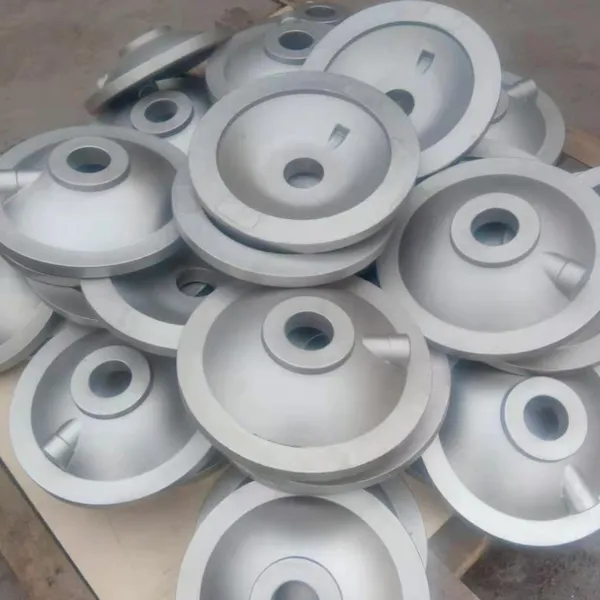 Read More
 -
Metal fittings used in petroleum equipment
December 24, 2025Metal fittings in petroleum equipment play a crucial role in ensuring the safe, efficient, and reliable operation of oil and gas e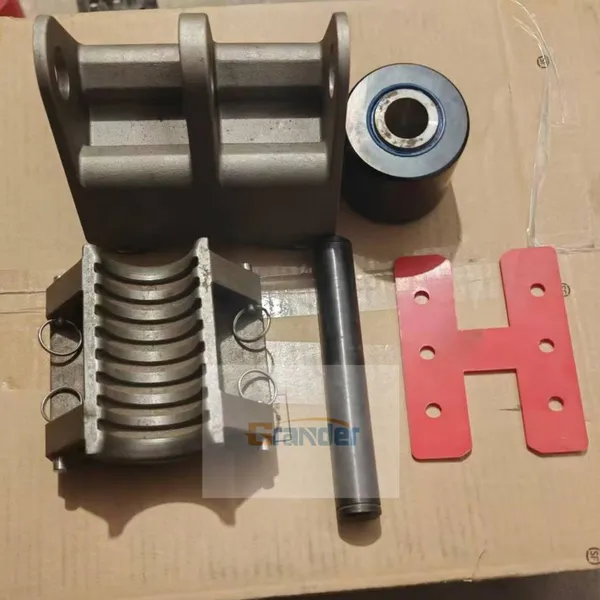 Read More
 -
sand casting for machinery spare parts /Agricultural machinery
December 24, 2025Sand casting is a traditional and widely used method of casting metals into desired shapes using sand molds. It's especia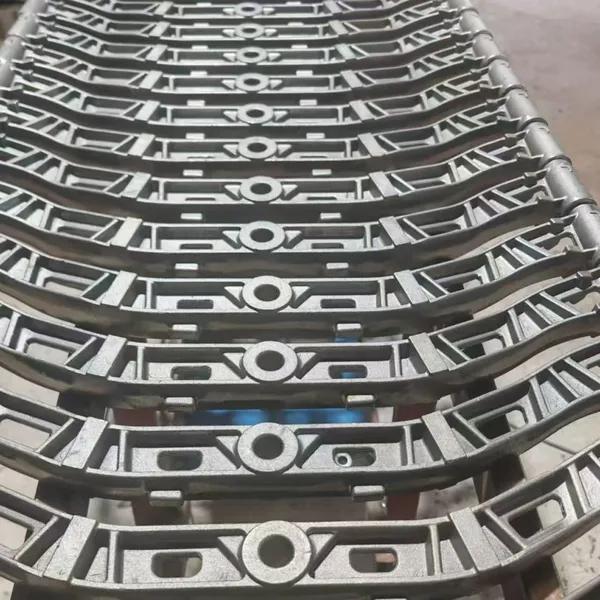 Read More
 -
advantages of aluminum alloy die casting
December 24, 2025Aluminum alloy die casting offers numerous advantages that make it a preferred manufacturing method for producing complex, hi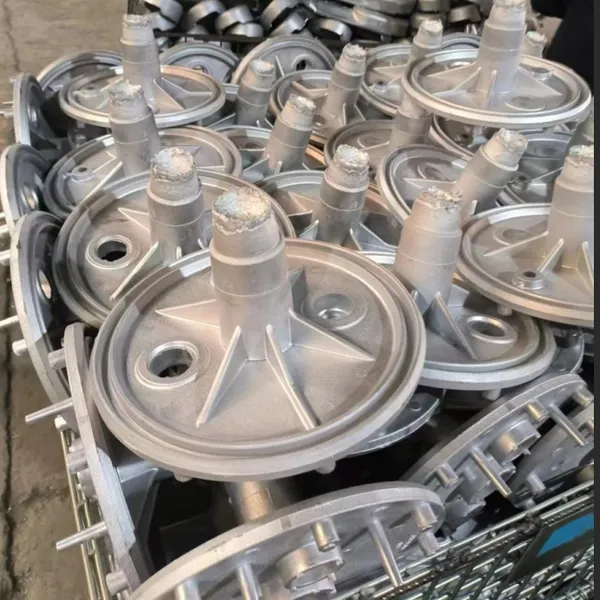 Read More

Contact Us
Recommended Products
-
 High Quality Mirror Polished Anchor Stainless Steel Boat Parts/cleat/deck Filler/handle/handrail FittingsUS$ 1 - 500MOQ: 10 Pieces
 -
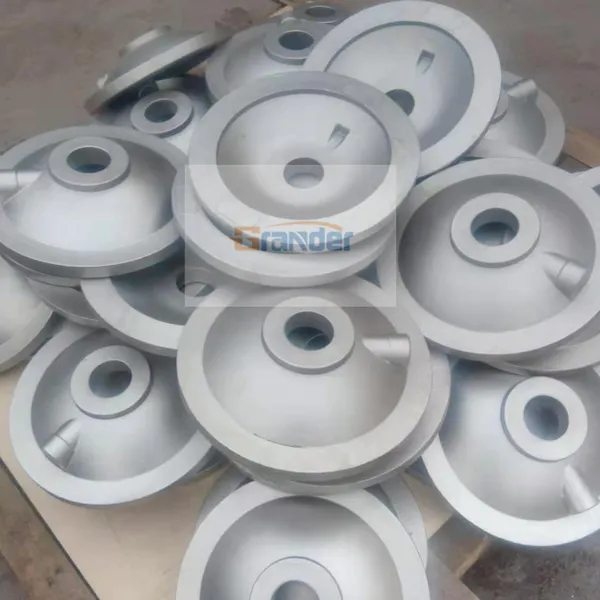
Customized Stainless Steel Pump Parts /pump Cover/pump Housing /carbon Steel Investment CastingUS$ 1 - 200MOQ: 10 Pieces
-
Customized Mirror Polished Anchor Stainless Steel Machine Spare Parts /handleUS$ 1 - 500MOQ: 10 Pieces
-
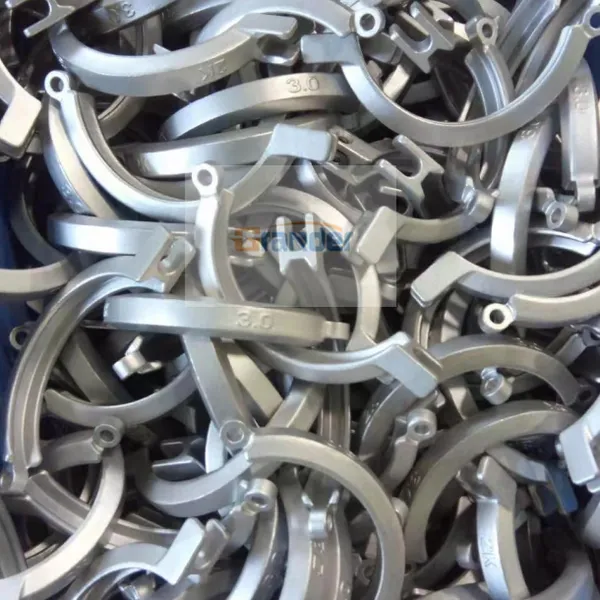
OEM Stainless Steel Investment Casting/SS316 304 Pipe Clamp/Pipe Metal FittingsUS$ 1 - 200MOQ: 10 Pieces
-
Customized Stainless Steel Pump Parts /pump Cover/pump Housing /carbon Steel Investment CastingUS$ 1 - 200MOQ: 10 Pieces
-
SS 316/304 Valve Body /investment Casting /pump Cover / Silica Sol Precision CastingUS$ 1 - 200MOQ: 10 Pieces
-
High Quality Mirror Polished Anchor Stainless Steel Boat Parts/cleat/deck Filler/handle/handrail FittingsUS$ 1 - 500MOQ: 10 Pieces
-
Customized Mirror Polished Anchor Stainless Steel Boat Parts/cleat/deck Filler/handle/handrail FittingsUS$ 1 - 500MOQ: 10 Pieces
-
SS316/304 Investment Casting /Meat Grinder Screw/Food Machinery PartsUS$ 50 - 200MOQ: 10 Pieces
-
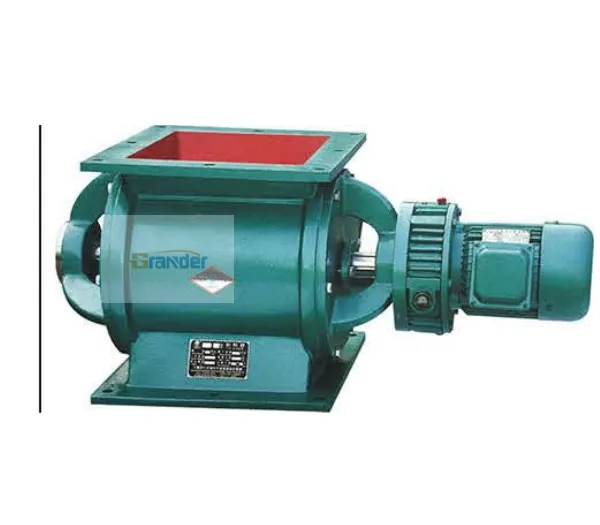
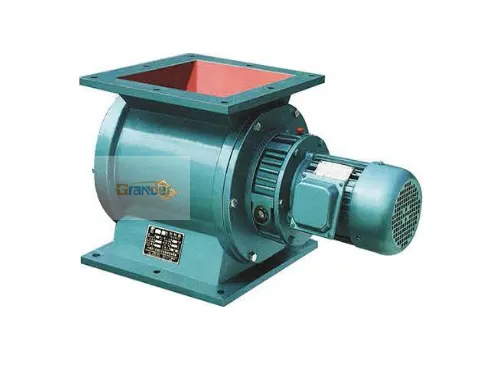
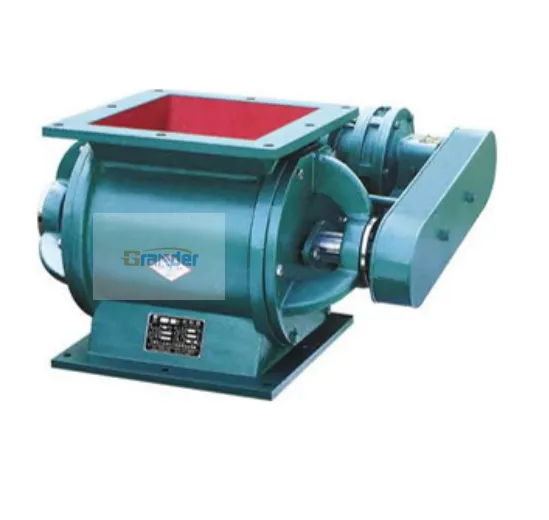
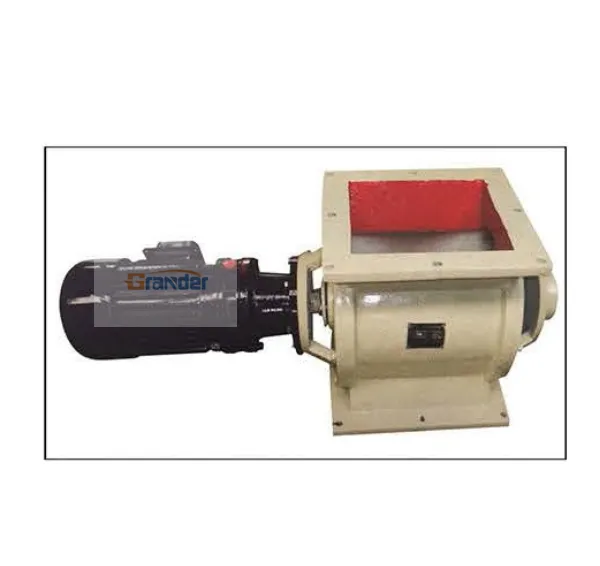
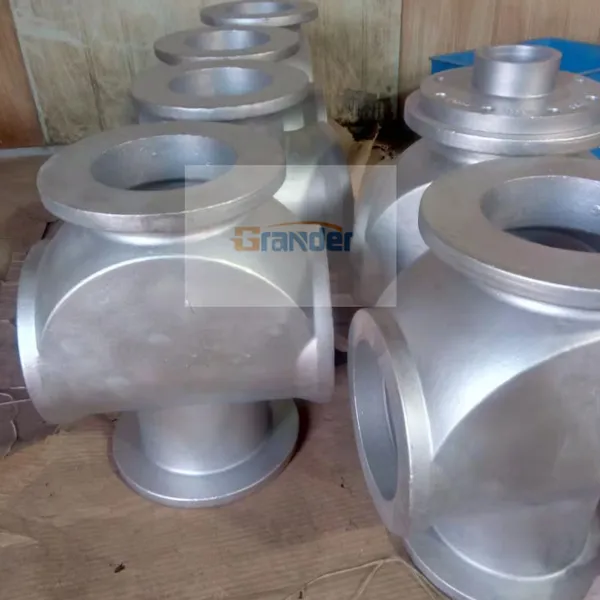
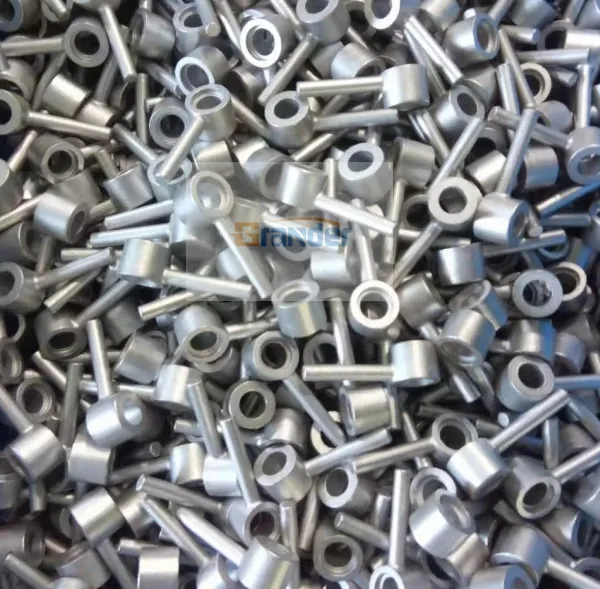
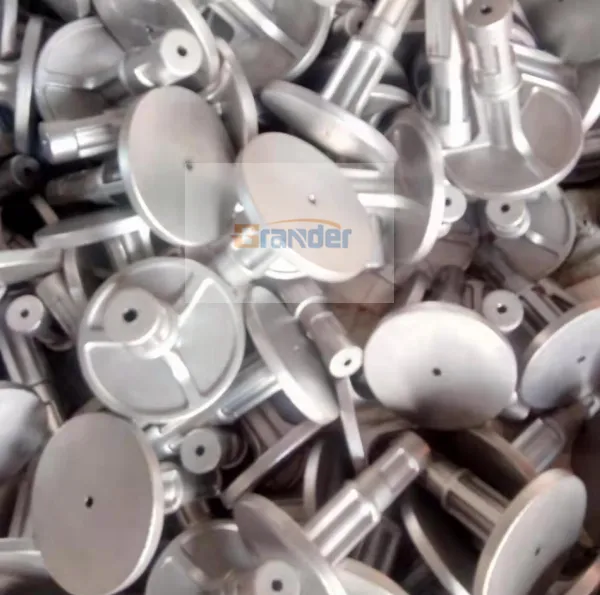
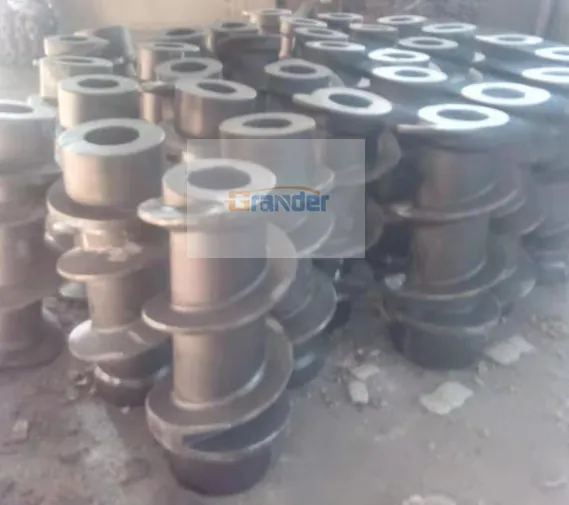
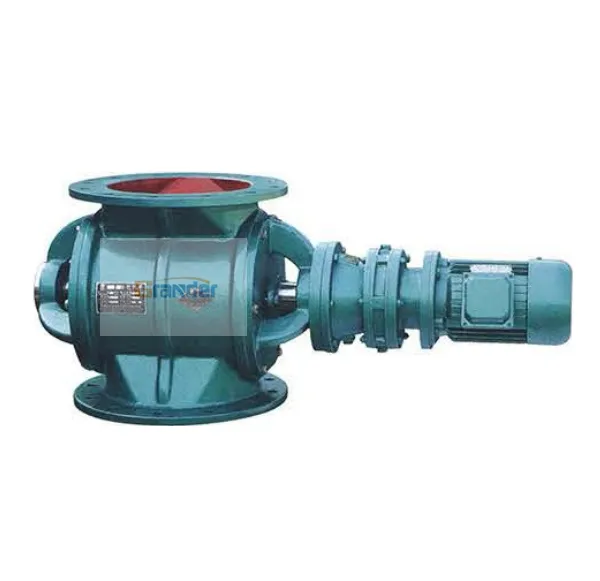
Standard and Non-standard Rotary Feeder/ the Rotary Valve,/lock Hopper/star Type Feeder/Star-shaped Discharger/unloader for Chemical EngineeringUS$ 50 - 500MOQ: 5 Pieces
-
Standard and Non-standard Rotary Feeder/ the Rotary Valve,/lock Hopper/star Type Feeder/Star-shaped Discharger/unloader for Chemical EngineeringUS$ 50 - 500MOQ: 5 Pieces
-
Standard and Non-standard Rotary Feeder/ the Rotary Valve,/lock Hopper/star Type Feeder/Star-shaped Discharger/unloader for Chemical EngineeringUS$ 50 - 500MOQ: 5 Pieces
-
Standard and Non-standard Rotary Feeder/ the Rotary Valve,/lock Hopper/star Type Feeder/Star-shaped Discharger/unloader for Chemical EngineeringUS$ 50 - 500MOQ: 5 Pieces
-
Standard and Non-standard Rotary Feeder/ the Rotary Valve,/lock Hopper/star Type Feeder/Star-shaped Discharger/unloader for Chemical EngineeringUS$ 50 - 500MOQ: 5 Pieces
-
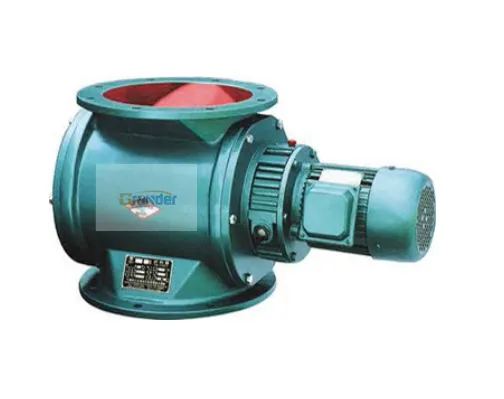
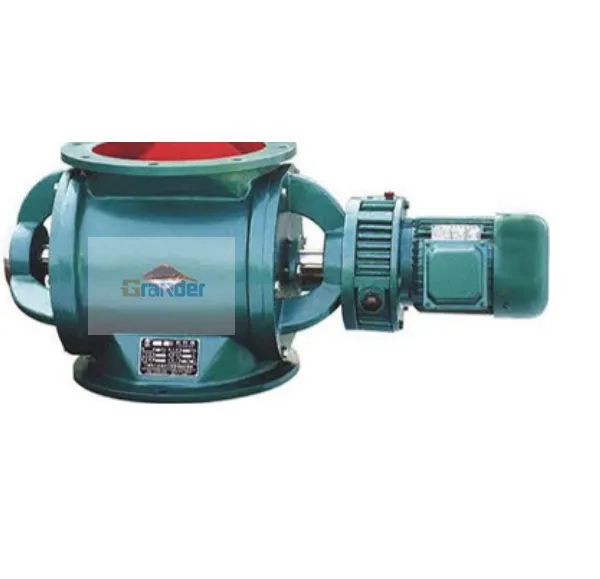
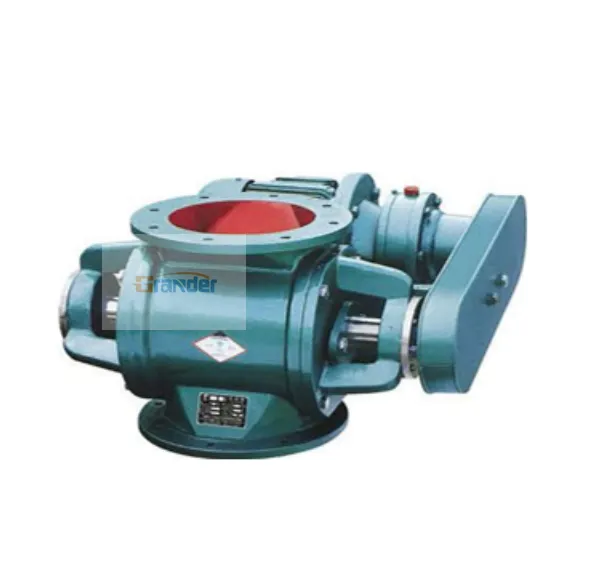
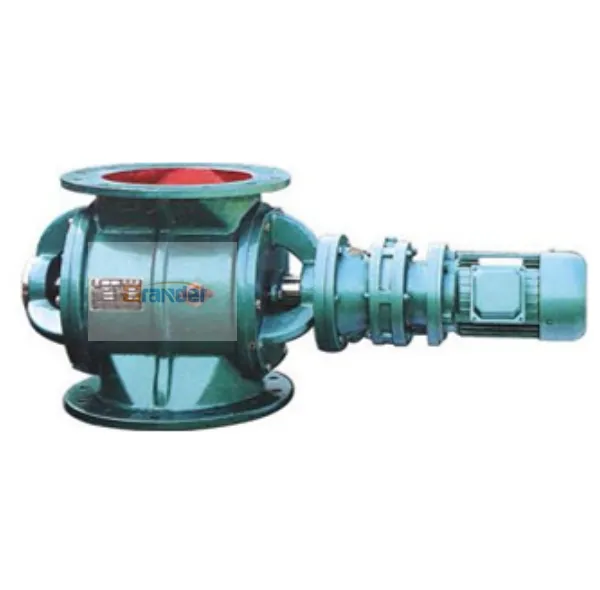
High Temperature -resistance Rotary Feeder/ the Rotary Valve,/lock Hopper/star Type Feeder/Star-shaped Discharger/unloader for Chemical EngineeringUS$ 50 - 500MOQ: 5 Pieces
-
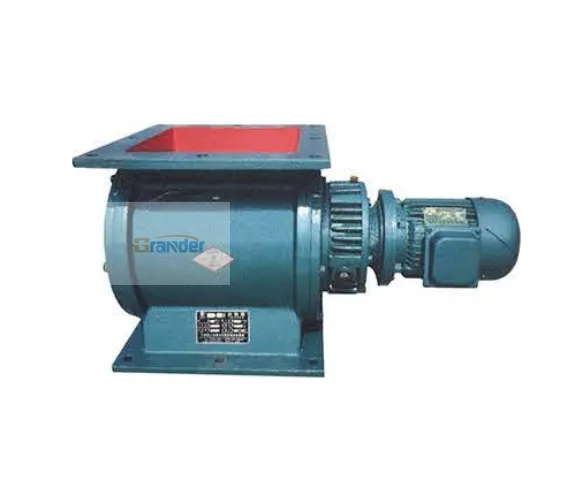
High Temperature -resistance Rotary Feeder/ the Rotary Valve,/lock Hopper/star Type Feeder/Star-shaped Discharger/unloader for Chemical EngineeringUS$ 50 - 500MOQ: 5 Pieces
-
High Temperature -resistance Rotary Feeder/ the Rotary Valve,/lock Hopper/star Type Feeder/Star-shaped Discharger/unloader for Chemical EngineeringUS$ 50 - 500MOQ: 5 Pieces
-
High Temperature -resistance Rotary Feeder/ the Rotary Valve,/lock Hopper/star Type Feeder/Star-shaped Discharger/unloader for Chemical EngineeringUS$ 50 - 500MOQ: 5 Pieces
-
High-quality Rotary Feeder/ the Rotary Valve,/lock Hopper/star Type Feeder/Star-shaped Discharger/unloader for Chemical EngineeringUS$ 50 - 500MOQ: 5 Pieces
-
Customized Rotary Feeder/ the Rotary Valve,/lock Hopper/star Type Feeder/Star-shaped Discharger/unloader for Chemical EngineeringUS$ 50 - 500MOQ: 5 Pieces