 Business License

sand casting for machinery spare parts /Agricultural machinery
Sand casting is a traditional and widely used method of casting metals into desired shapes using sand molds. It's especially suited for producing large metal parts and components with complex geometries. Here's an overview of the sand casting process, its advantages, disadvantages, and applications:
Process of Sand Casting
Pattern Making
A pattern of the part to be cast is created, usually from wood, plastic, or metal. This pattern is a replica of the final product and includes allowances for shrinkage and machining.
Mold Preparation
Creating the Mold: The pattern is placed in a mold box (flask) and packed with sand mixed with a binder (such as clay or resin) to hold the sand together.
Parting Line: The mold is often made in two halves, known as the cope (top half) and the drag (bottom half). The parting line is where the two halves meet.
Core Making: If the casting has internal cavities or complex shapes, cores made from sand are inserted into the mold to create these features.
Pattern Removal
Once the sand mold is packed and compacted, the pattern is carefully removed, leaving a cavity in the shape of the desired part.
Mold Assembly
The cope and drag are assembled together, ensuring the mold cavity and any cores are properly aligned.
Pouring
Molten metal is poured into the mold cavity through a gating system that includes a sprue (main channel) and runners (distribution channels).
Cooling
The molten metal is allowed to cool and solidify within the mold. The cooling time depends on the size and complexity of the casting and the type of metal used.
Casting Removal
Once the metal has solidified, the sand mold is broken away to reveal the rough casting. This is typically done using mechanical means or manually.
Finishing
The casting undergoes various finishing processes, such as cleaning, grinding, sandblasting, and machining, to remove any excess material, gates, risers, and imperfections, and to achieve the desired final dimensions and surface finish.
Advantages of Sand Casting
Versatility: Suitable for casting a wide variety of metals and alloys, including iron, steel, aluminum, bronze, and brass.
Cost-Effective: Economical for producing large and complex metal parts, especially for low to medium production volumes.
Size Flexibility: Capable of casting very large parts that would be difficult or impossible to produce using other methods.
Complex Shapes: Can produce parts with intricate shapes, internal cavities, and undercuts using cores and specialized molding techniques.
Quick Turnaround: Relatively fast production process from pattern creation to finished casting.
Disadvantages of Sand Casting
Surface Finish: Generally produces a rougher surface finish compared to other casting methods, requiring additional machining and finishing.
Dimensional Accuracy: Less precise than other casting methods like investment casting or die casting, which may result in higher tolerances and additional machining.
Material Waste: Some material is wasted in the form of gates, risers, and excess metal that must be removed during finishing.
Manual Labor: Often involves significant manual labor, especially for mold preparation and finishing, which can increase labor costs and introduce variability.
Applications of Sand Casting
Automotive Industry: Engine blocks, cylinder heads, transmission housings, and other large automotive components.
Aerospace Industry: Large structural components, housings, and fittings.
Construction Industry: Heavy machinery parts, structural components, and building hardware.
Agricultural Machinery: Tractor parts, plowshares, and other heavy-duty components.
Industrial Equipment: Pumps, valves, impellers, and other machinery parts.
Art and Sculpture: Large metal sculptures, artistic pieces, and architectural elements.
Conclusion
Sand casting is a versatile and cost-effective method for producing large and complex metal parts. Despite its limitations in surface finish and dimensional accuracy, its ability to cast a wide range of metals and produce large components makes it a valuable manufacturing process across various industries. Advances in sand casting technology and materials continue to improve its efficiency, precision, and application scope.
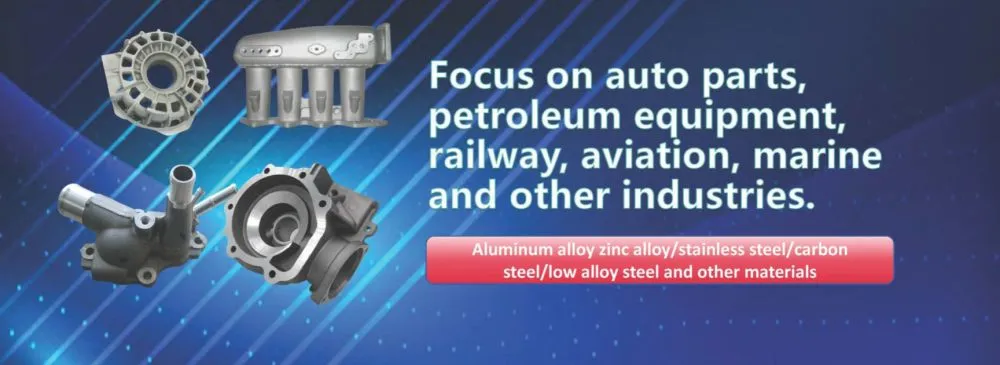
Qingdao Grander Machinery Co., Ltd. is located in the beautiful coastal city - Qingdao Huangdao District, close to the port of Qingdao. Our company mainly engaged in aluminum alloy (high and low pressure and gravity casting), zinc alloy products, stainless steel, carbon steel and low alloy steel (silica sol precision casting, composite process casting, sand casting, etc.) products, processing all kinds of mechanical parts, The products involve auto parts, petroleum equipment, high-speed rail train parts, pump & valve parts, Marine hardware, building hardware, pneumatic tools, measuring instruments and equipment, food machinery, heat treatment equipment, hydraulic pneumatics and other wide fields.
Our technicians have 20 years of experience in metal products, with good reputation, the company has established long-term cooperation with customers in the United States, Germany, Italy, Australia, the Netherlands, Japan and other countries.
www.grandermachinery.com
Recently Posted
-
Silica sol precision casting
December 24, 2025Silica sol precision casting, also known as investment casting or lost-wax casting, is a manufacturing process used to c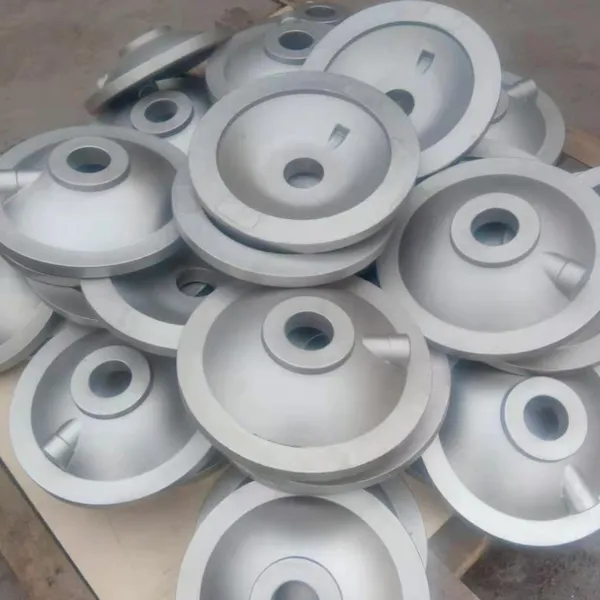 Read More
 -
Metal fittings used in petroleum equipment
December 24, 2025Metal fittings in petroleum equipment play a crucial role in ensuring the safe, efficient, and reliable operation of oil and gas e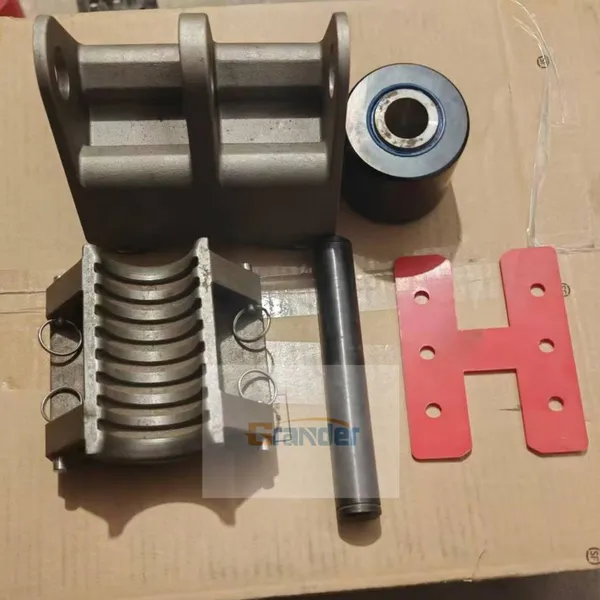 Read More
 -
what is gravity die casting?
December 24, 2025Gravity die casting, also known as permanent mold casting, is a manufacturing process where molten metal is poured into a reusable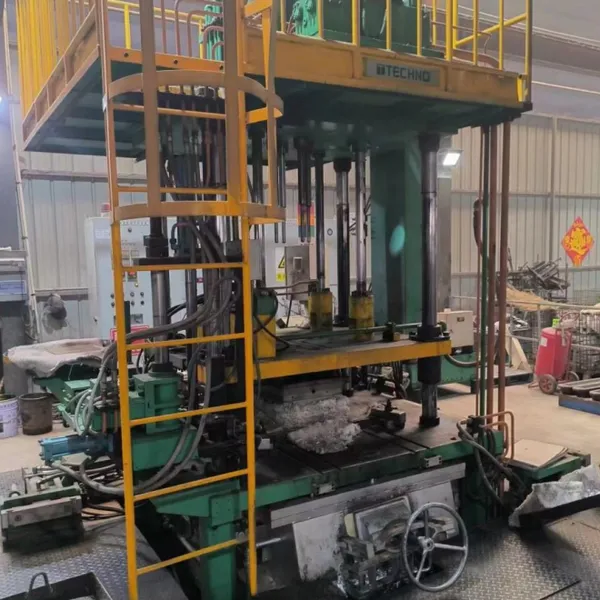 Read More
 -
advantages of aluminum alloy die casting
December 24, 2025Aluminum alloy die casting offers numerous advantages that make it a preferred manufacturing method for producing complex, hi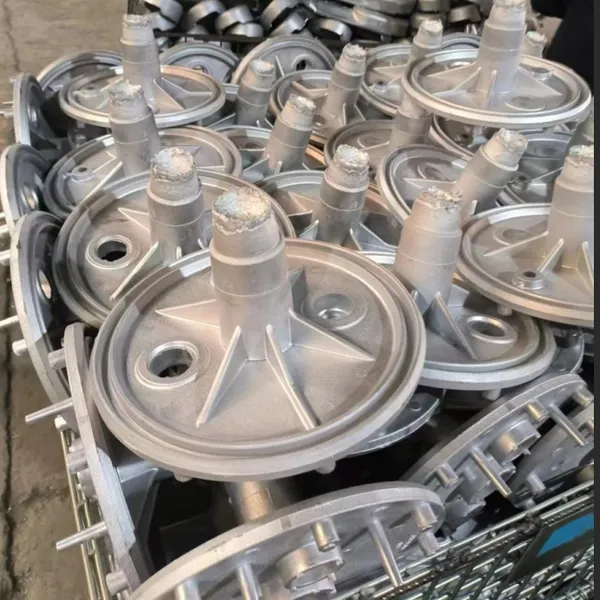 Read More

Contact Us
Recommended Products
-
 High Quality Mirror Polished Anchor Stainless Steel Boat Parts/cleat/deck Filler/handle/handrail FittingsUS$ 1 - 500MOQ: 10 Pieces
 -
Customized Stainless Steel Pump Parts /pump Cover/pump Housing /carbon Steel Investment CastingUS$ 1 - 200MOQ: 10 Pieces
-
Customized Mirror Polished Anchor Stainless Steel Machine Spare Parts /handleUS$ 1 - 500MOQ: 10 Pieces
-
OEM Stainless Steel Investment Casting/SS316 304 Pipe Clamp/Pipe Metal FittingsUS$ 1 - 200MOQ: 10 Pieces
-
Customized Stainless Steel Pump Parts /pump Cover/pump Housing /carbon Steel Investment CastingUS$ 1 - 200MOQ: 10 Pieces
-
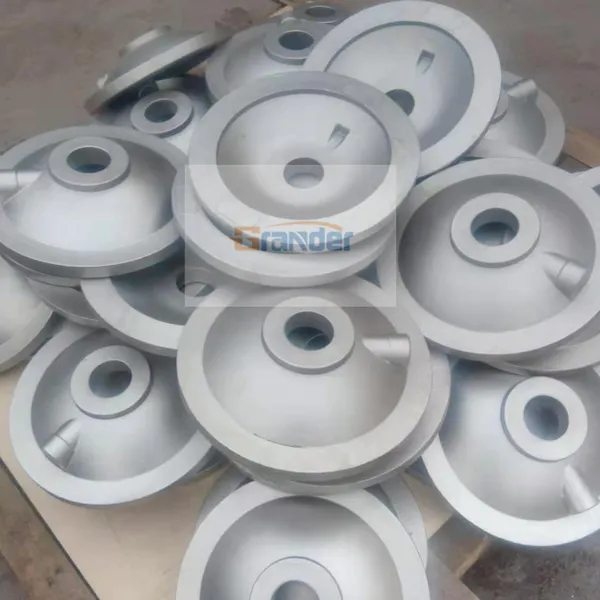
SS 316/304 Valve Body /investment Casting /pump Cover / Silica Sol Precision CastingUS$ 1 - 200MOQ: 10 Pieces
-
High Quality Mirror Polished Anchor Stainless Steel Boat Parts/cleat/deck Filler/handle/handrail FittingsUS$ 1 - 500MOQ: 10 Pieces
-
Customized Mirror Polished Anchor Stainless Steel Boat Parts/cleat/deck Filler/handle/handrail FittingsUS$ 1 - 500MOQ: 10 Pieces
-
SS316/304 Investment Casting /Meat Grinder Screw/Food Machinery PartsUS$ 50 - 200MOQ: 10 Pieces
-
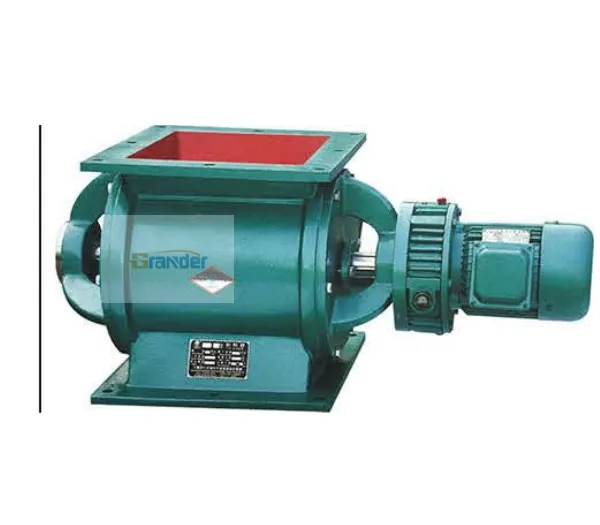
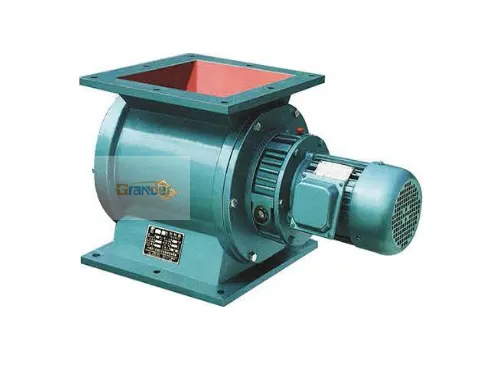
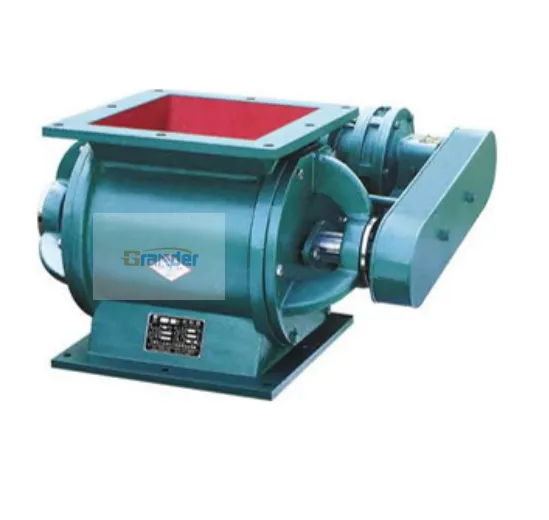
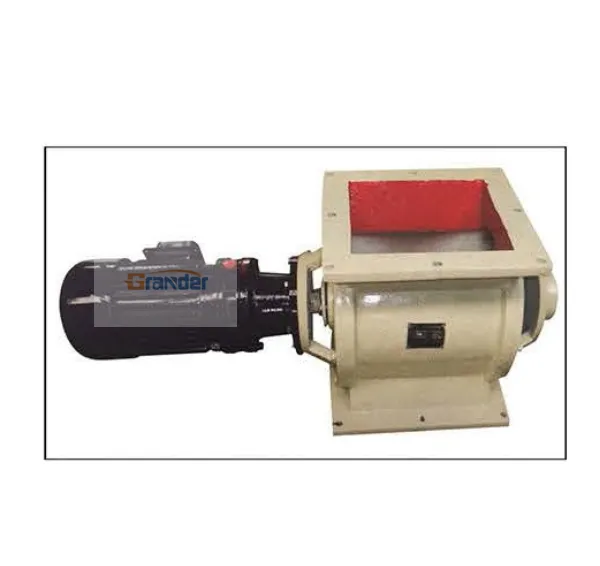
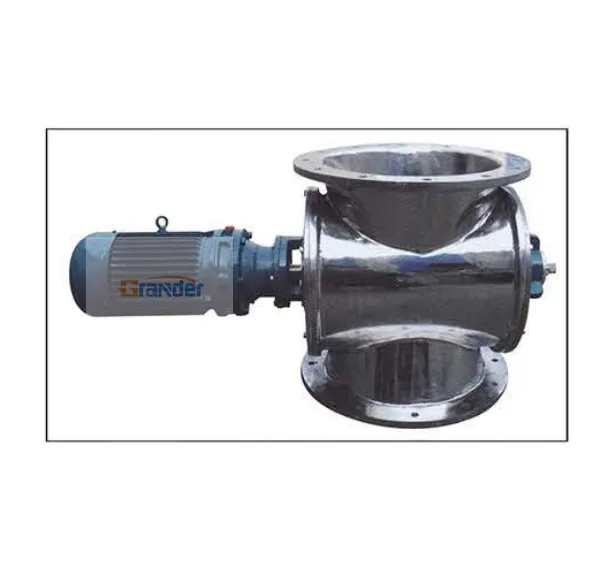
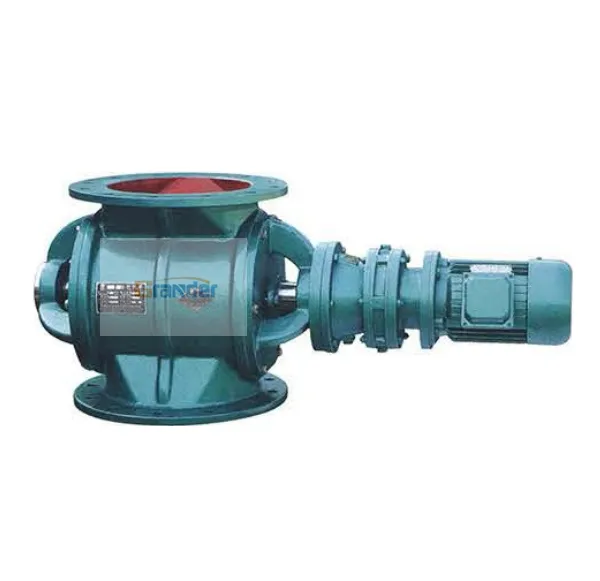
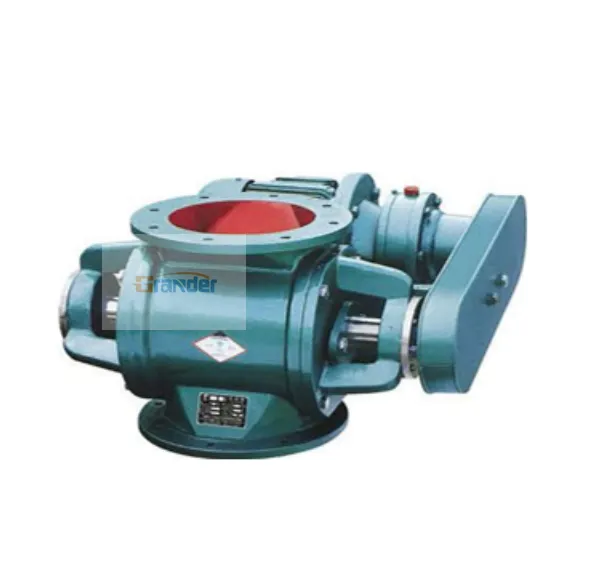
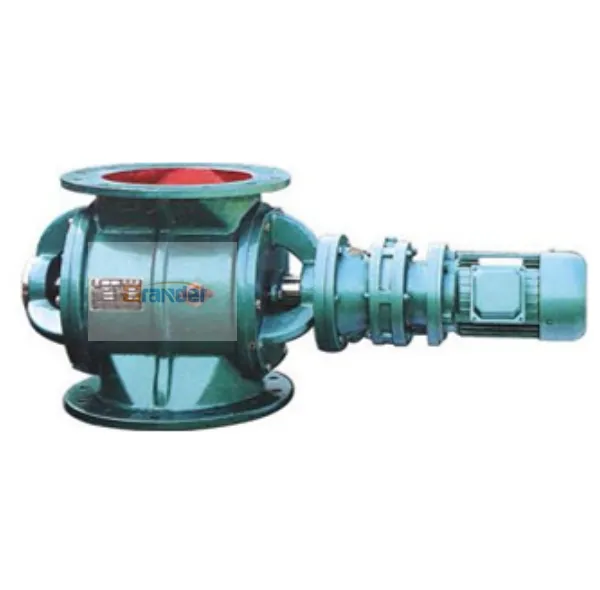
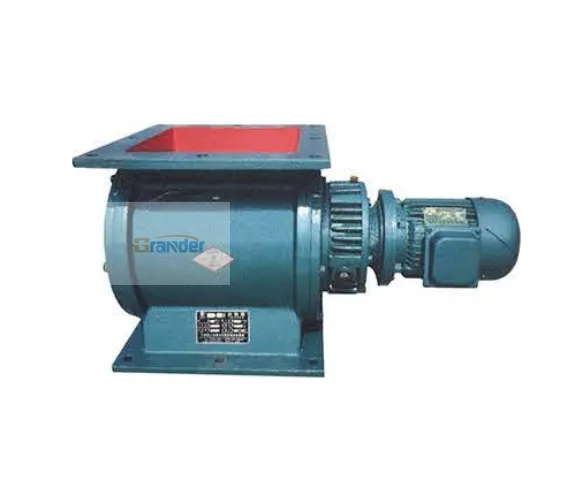
Standard and Non-standard Rotary Feeder/ the Rotary Valve,/lock Hopper/star Type Feeder/Star-shaped Discharger/unloader for Chemical EngineeringUS$ 50 - 500MOQ: 5 Pieces
-
Standard and Non-standard Rotary Feeder/ the Rotary Valve,/lock Hopper/star Type Feeder/Star-shaped Discharger/unloader for Chemical EngineeringUS$ 50 - 500MOQ: 5 Pieces
-
Standard and Non-standard Rotary Feeder/ the Rotary Valve,/lock Hopper/star Type Feeder/Star-shaped Discharger/unloader for Chemical EngineeringUS$ 50 - 500MOQ: 5 Pieces
-
Standard and Non-standard Rotary Feeder/ the Rotary Valve,/lock Hopper/star Type Feeder/Star-shaped Discharger/unloader for Chemical EngineeringUS$ 50 - 500MOQ: 5 Pieces
-
Standard and Non-standard Rotary Feeder/ the Rotary Valve,/lock Hopper/star Type Feeder/Star-shaped Discharger/unloader for Chemical EngineeringUS$ 50 - 500MOQ: 5 Pieces
-
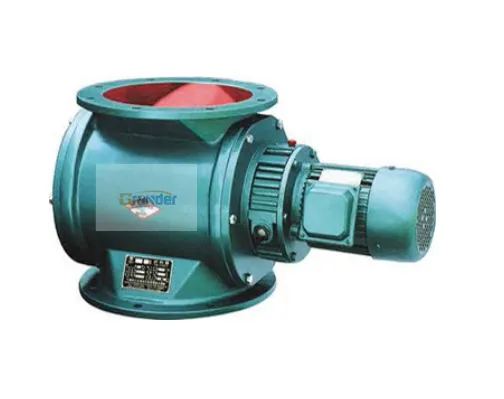
High Temperature -resistance Rotary Feeder/ the Rotary Valve,/lock Hopper/star Type Feeder/Star-shaped Discharger/unloader for Chemical EngineeringUS$ 50 - 500MOQ: 5 Pieces
-
High Temperature -resistance Rotary Feeder/ the Rotary Valve,/lock Hopper/star Type Feeder/Star-shaped Discharger/unloader for Chemical EngineeringUS$ 50 - 500MOQ: 5 Pieces
-
High Temperature -resistance Rotary Feeder/ the Rotary Valve,/lock Hopper/star Type Feeder/Star-shaped Discharger/unloader for Chemical EngineeringUS$ 50 - 500MOQ: 5 Pieces
-
High Temperature -resistance Rotary Feeder/ the Rotary Valve,/lock Hopper/star Type Feeder/Star-shaped Discharger/unloader for Chemical EngineeringUS$ 50 - 500MOQ: 5 Pieces
-
High-quality Rotary Feeder/ the Rotary Valve,/lock Hopper/star Type Feeder/Star-shaped Discharger/unloader for Chemical EngineeringUS$ 50 - 500MOQ: 5 Pieces
-
Customized Rotary Feeder/ the Rotary Valve,/lock Hopper/star Type Feeder/Star-shaped Discharger/unloader for Chemical EngineeringUS$ 50 - 500MOQ: 5 Pieces