 Business License

advantages of aluminum alloy die casting
Aluminum alloy die casting offers numerous advantages that make it a preferred manufacturing method for producing complex, high-precision parts across various industries. Here are the key benefits:
1. High Precision and Accuracy
Tight Tolerances: The die casting process allows for the production of parts with very tight tolerances and intricate details, reducing the need for additional machining and finishing operations.
Consistent Quality: High repeatability ensures that each part produced maintains the same high level of quality and precision.
2. Excellent Surface Finish
Smooth Surfaces: The high-pressure injection process results in a smooth surface finish, which can further reduce the need for secondary finishing processes.
Ready for Coating: The smooth finish is ideal for additional coatings, such as painting, powder coating, or anodizing, enhancing the part’s appearance and durability.
3. Lightweight yet Strong
High Strength-to-Weight Ratio: Aluminum alloys provide excellent mechanical properties while being lightweight, making them ideal for applications where weight reduction is crucial, such as in the automotive and aerospace industries.
4. Corrosion Resistance
Natural Oxide Layer: Aluminum alloys naturally form a protective oxide layer that enhances their resistance to corrosion, extending the life of the parts, especially in harsh environments.
5. Thermal and Electrical Conductivity
Heat Dissipation: Aluminum alloys have excellent thermal conductivity, making them suitable for applications requiring efficient heat dissipation, such as heat sinks and electronic housings.
Electrical Conductivity: Aluminum is also a good conductor of electricity, beneficial for electrical and electronic applications.
6. High Production Efficiency
Fast Cycle Times: The die casting process allows for rapid production cycles, enabling high-volume manufacturing with a lower cost per part.
Automation Potential: The process is highly amenable to automation, further enhancing production efficiency and consistency.
7. Material Utilization and Waste Reduction
Minimal Scrap: Die casting generates minimal scrap compared to other manufacturing methods, and any excess material can often be recycled and reused.
Near Net Shape: Parts are produced close to their final (net) shape, minimizing the amount of material that needs to be machined away.
8. Design Flexibility
Complex Geometries: The process allows for the creation of complex shapes and thin-walled sections that would be difficult or impossible to achieve with other manufacturing methods.
Integration of Features: Multiple features, such as mounting points, ribs, and bosses, can be integrated into a single casting, reducing assembly time and cost.
9. Cost-Effectiveness
Economies of Scale: While the initial investment in tooling can be high, the cost per part decreases significantly with large production volumes, making die casting economically advantageous for mass production.
Reduced Post-Processing: The high-quality finish and precise dimensions reduce the need for additional machining and finishing, lowering overall production costs.
10. Sustainability
Recyclability: Aluminum is highly recyclable, and the die casting process itself can utilize recycled materials, contributing to sustainability and reducing environmental impact.
Energy Efficiency: The lightweight nature of aluminum parts can contribute to energy savings in applications such as transportation, where reducing weight can improve fuel efficiency.
Conclusion
Aluminum alloy die casting offers a multitude of advantages, from high precision and excellent surface finish to lightweight strength and corrosion resistance. These benefits, combined with high production efficiency, design flexibility, and cost-effectiveness, make aluminum alloy die casting a highly attractive manufacturing process for a wide range of applications. Whether in automotive, aerospace, electronics, or consumer goods, the use of aluminum die cast parts continues to grow due to these compelling advantages.
www.grandermachinery.com
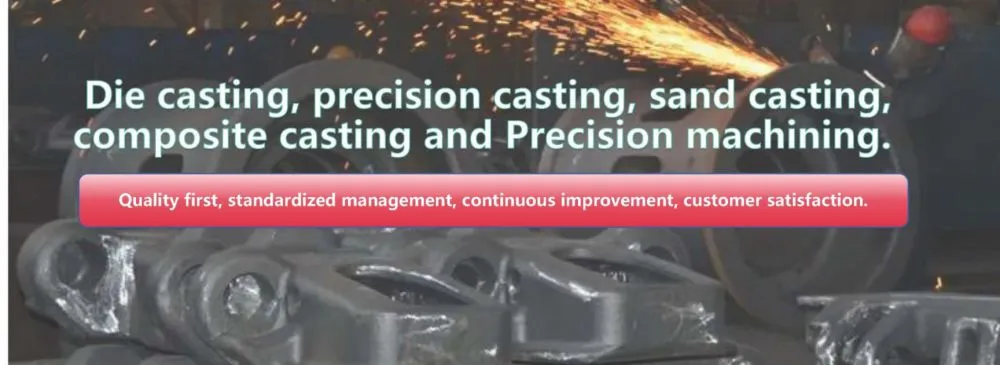
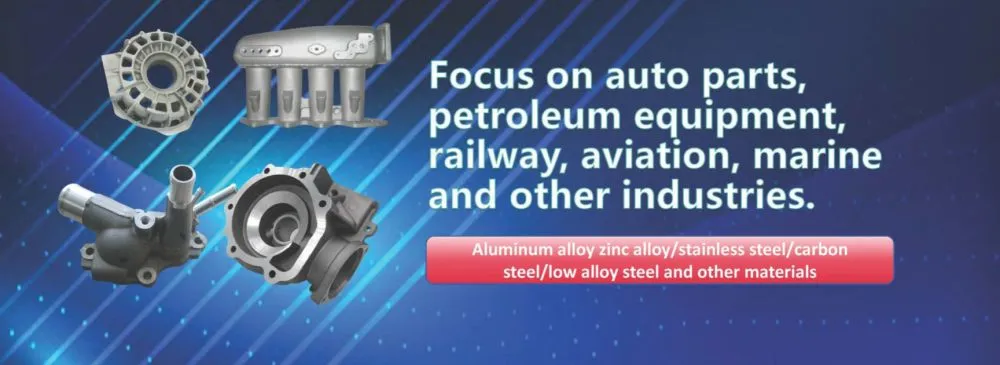
Qingdao Grander Machinery Co., Ltd. is located in the beautiful coastal city - Qingdao Huangdao District, close to the port of Qingdao. Our company mainly engaged in aluminum alloy (high and low pressure and gravity casting), zinc alloy products, stainless steel, carbon steel and low alloy steel (silica sol precision casting, composite process casting, sand casting, etc.) products, processing all kinds of mechanical parts, The products involve auto parts, petroleum equipment, high-speed rail train parts, pump & valve parts, Marine hardware, building hardware, pneumatic tools, measuring instruments and equipment, food machinery, heat treatment equipment, hydraulic pneumatics and other wide fields.
Recently Posted
-
Silica sol precision casting
December 24, 2025Silica sol precision casting, also known as investment casting or lost-wax casting, is a manufacturing process used to c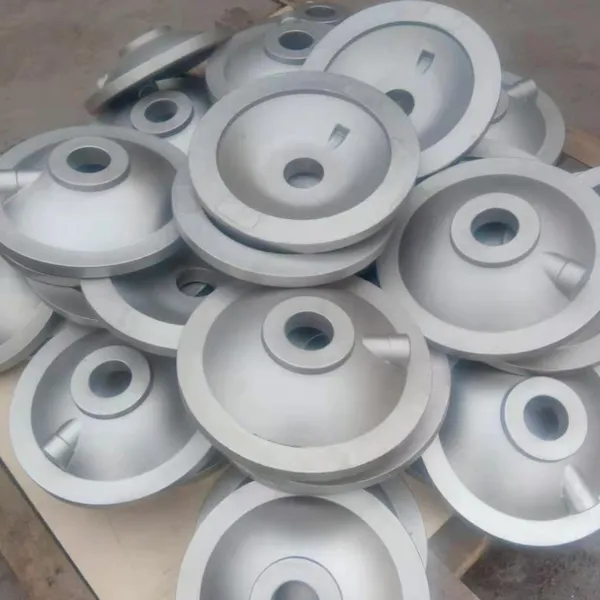 Read More
 -
Metal fittings used in petroleum equipment
December 24, 2025Metal fittings in petroleum equipment play a crucial role in ensuring the safe, efficient, and reliable operation of oil and gas e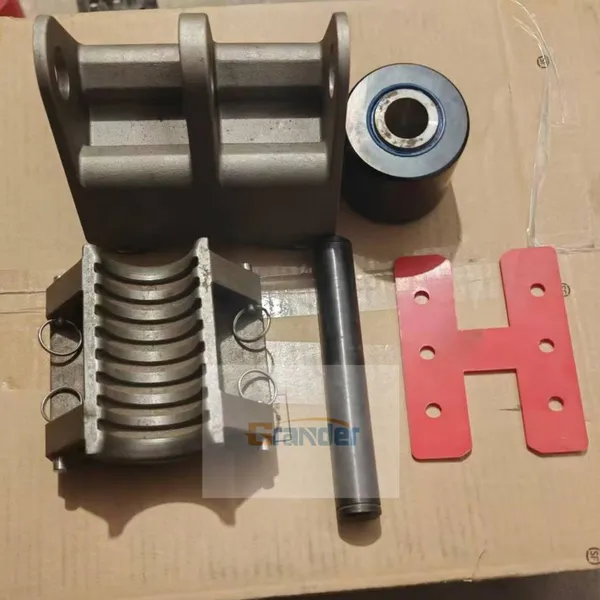 Read More
 -
sand casting for machinery spare parts /Agricultural machinery
December 24, 2025Sand casting is a traditional and widely used method of casting metals into desired shapes using sand molds. It's especia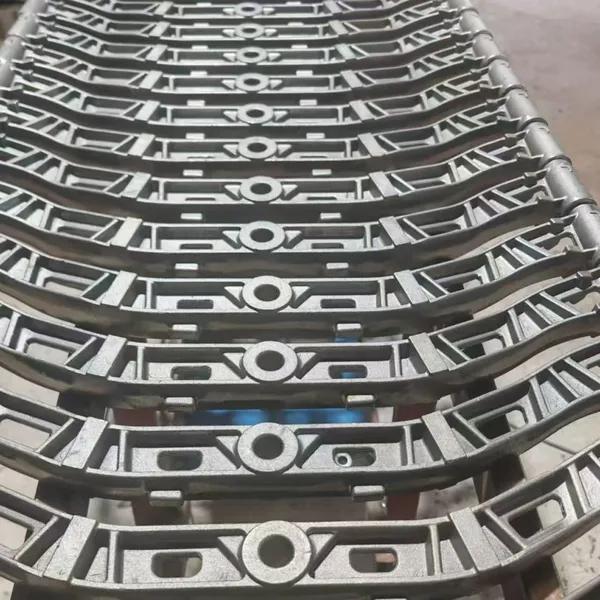 Read More
 -
what is gravity die casting?
December 24, 2025Gravity die casting, also known as permanent mold casting, is a manufacturing process where molten metal is poured into a reusable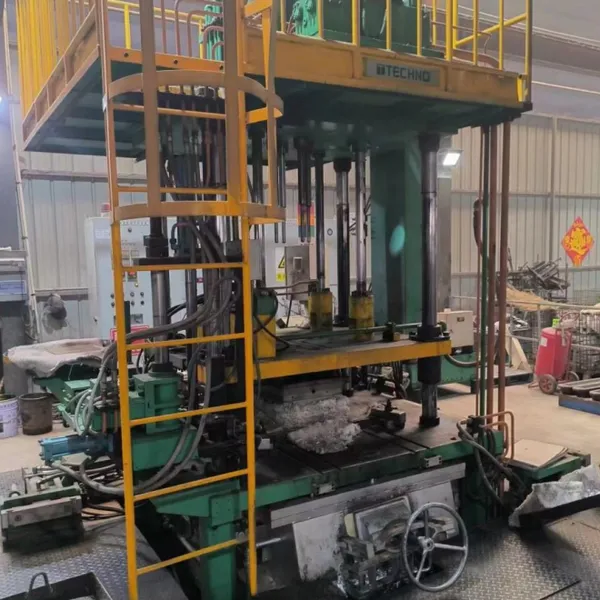 Read More

Contact Us
Recommended Products
-
 High Quality Mirror Polished Anchor Stainless Steel Boat Parts/cleat/deck Filler/handle/handrail FittingsUS$ 1 - 500MOQ: 10 Pieces
 -
Customized Stainless Steel Pump Parts /pump Cover/pump Housing /carbon Steel Investment CastingUS$ 1 - 200MOQ: 10 Pieces
-
Customized Mirror Polished Anchor Stainless Steel Machine Spare Parts /handleUS$ 1 - 500MOQ: 10 Pieces
-
OEM Stainless Steel Investment Casting/SS316 304 Pipe Clamp/Pipe Metal FittingsUS$ 1 - 200MOQ: 10 Pieces
-
Customized Stainless Steel Pump Parts /pump Cover/pump Housing /carbon Steel Investment CastingUS$ 1 - 200MOQ: 10 Pieces
-
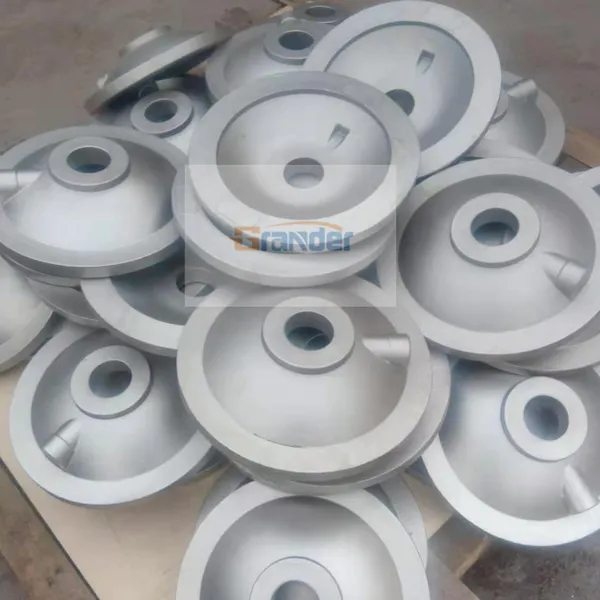
SS 316/304 Valve Body /investment Casting /pump Cover / Silica Sol Precision CastingUS$ 1 - 200MOQ: 10 Pieces
-
High Quality Mirror Polished Anchor Stainless Steel Boat Parts/cleat/deck Filler/handle/handrail FittingsUS$ 1 - 500MOQ: 10 Pieces
-
Customized Mirror Polished Anchor Stainless Steel Boat Parts/cleat/deck Filler/handle/handrail FittingsUS$ 1 - 500MOQ: 10 Pieces
-
SS316/304 Investment Casting /Meat Grinder Screw/Food Machinery PartsUS$ 50 - 200MOQ: 10 Pieces
-
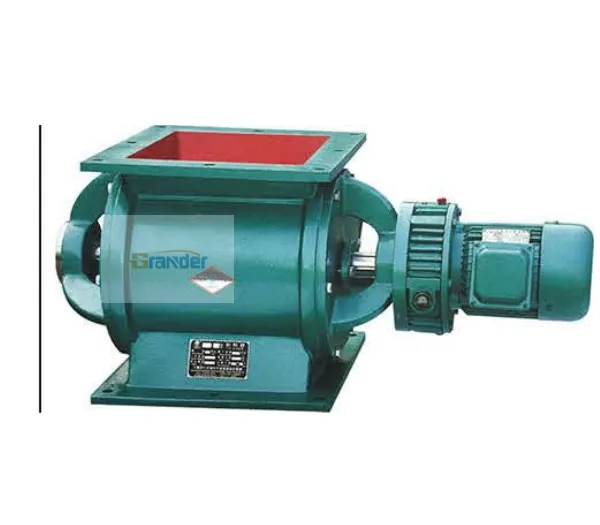
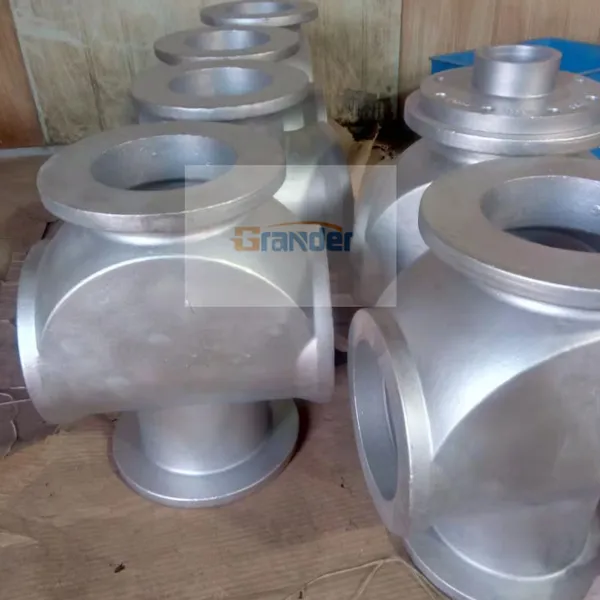
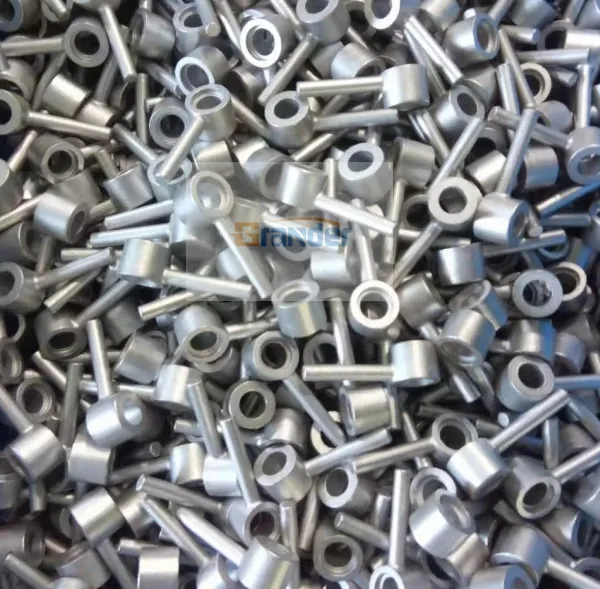
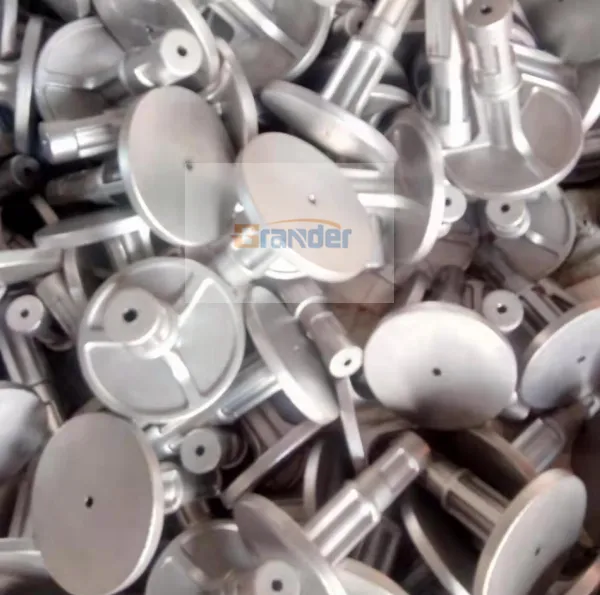
Standard and Non-standard Rotary Feeder/ the Rotary Valve,/lock Hopper/star Type Feeder/Star-shaped Discharger/unloader for Chemical EngineeringUS$ 50 - 500MOQ: 5 Pieces
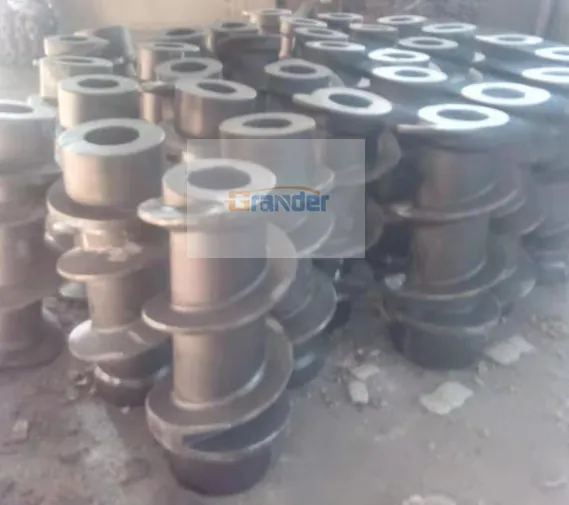
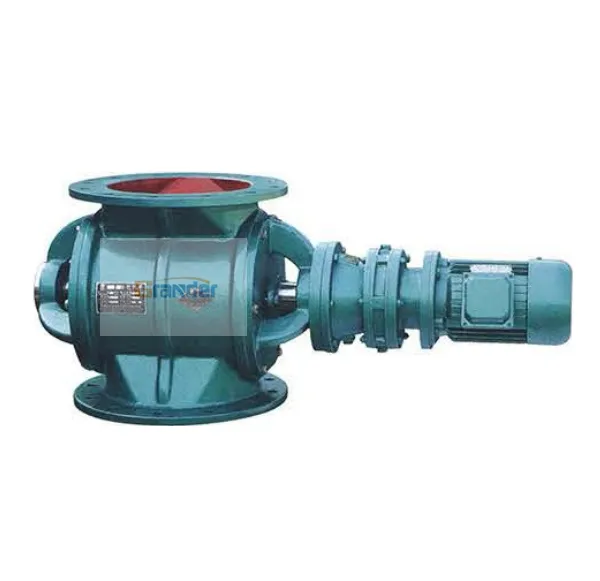
-
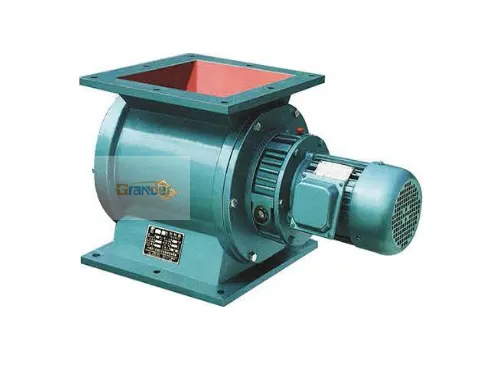
Standard and Non-standard Rotary Feeder/ the Rotary Valve,/lock Hopper/star Type Feeder/Star-shaped Discharger/unloader for Chemical EngineeringUS$ 50 - 500MOQ: 5 Pieces
-
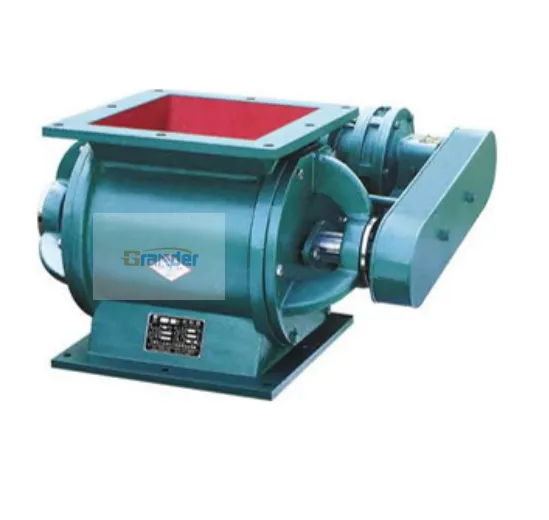
Standard and Non-standard Rotary Feeder/ the Rotary Valve,/lock Hopper/star Type Feeder/Star-shaped Discharger/unloader for Chemical EngineeringUS$ 50 - 500MOQ: 5 Pieces
-
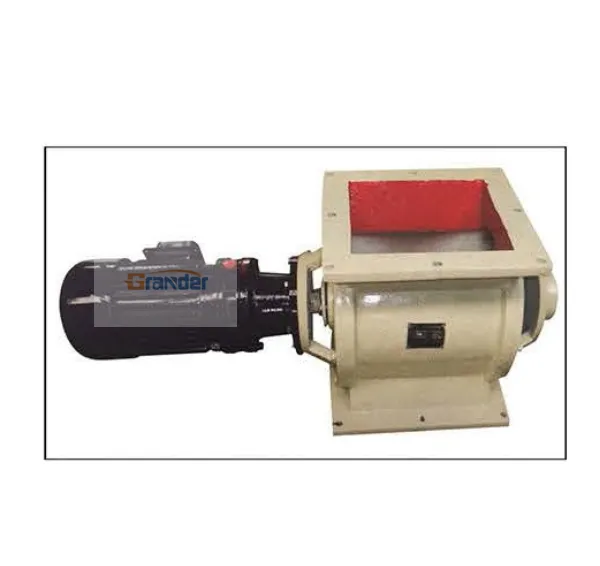
Standard and Non-standard Rotary Feeder/ the Rotary Valve,/lock Hopper/star Type Feeder/Star-shaped Discharger/unloader for Chemical EngineeringUS$ 50 - 500MOQ: 5 Pieces
-
Standard and Non-standard Rotary Feeder/ the Rotary Valve,/lock Hopper/star Type Feeder/Star-shaped Discharger/unloader for Chemical EngineeringUS$ 50 - 500MOQ: 5 Pieces
-
High Temperature -resistance Rotary Feeder/ the Rotary Valve,/lock Hopper/star Type Feeder/Star-shaped Discharger/unloader for Chemical EngineeringUS$ 50 - 500MOQ: 5 Pieces
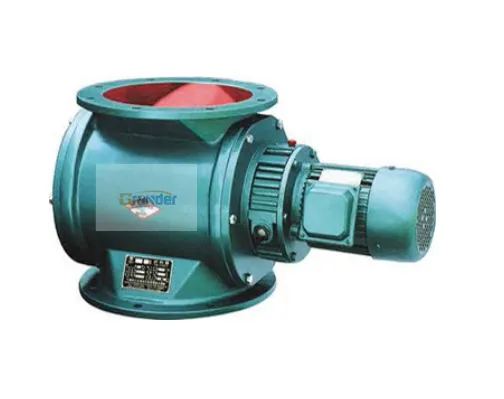
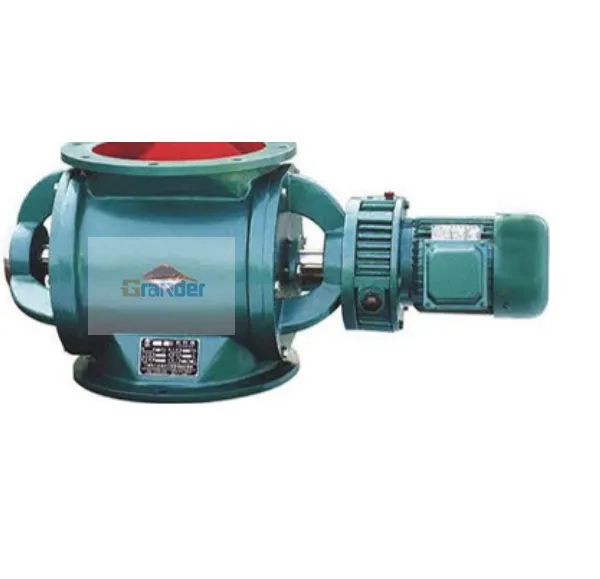
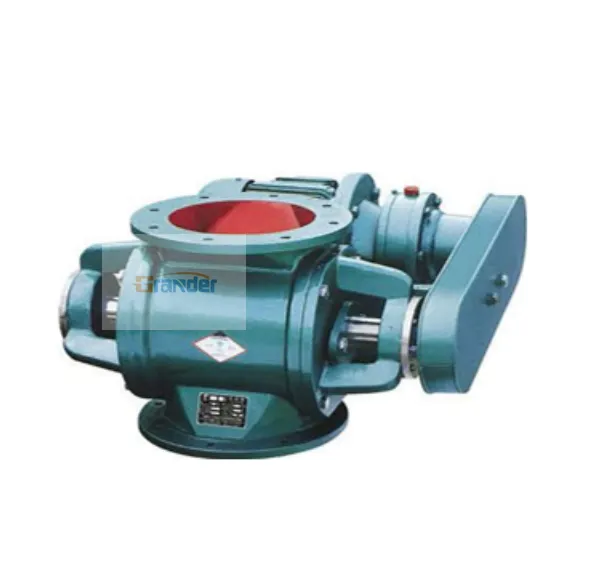
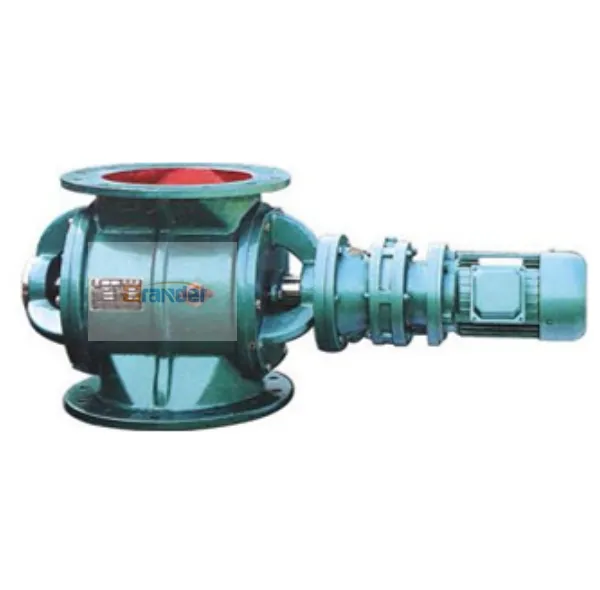
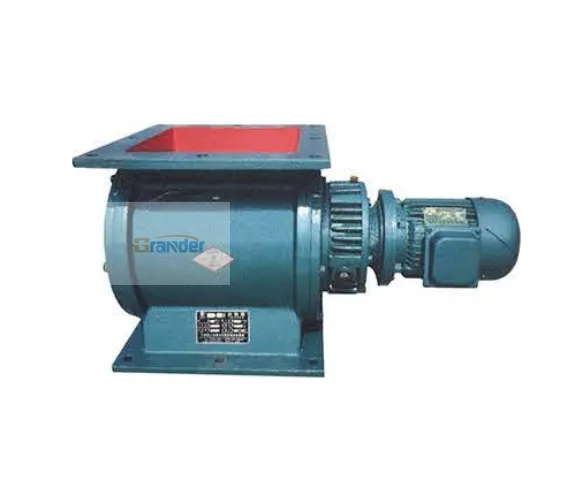
-
High Temperature -resistance Rotary Feeder/ the Rotary Valve,/lock Hopper/star Type Feeder/Star-shaped Discharger/unloader for Chemical EngineeringUS$ 50 - 500MOQ: 5 Pieces
-
High Temperature -resistance Rotary Feeder/ the Rotary Valve,/lock Hopper/star Type Feeder/Star-shaped Discharger/unloader for Chemical EngineeringUS$ 50 - 500MOQ: 5 Pieces
-
High Temperature -resistance Rotary Feeder/ the Rotary Valve,/lock Hopper/star Type Feeder/Star-shaped Discharger/unloader for Chemical EngineeringUS$ 50 - 500MOQ: 5 Pieces
-
High-quality Rotary Feeder/ the Rotary Valve,/lock Hopper/star Type Feeder/Star-shaped Discharger/unloader for Chemical EngineeringUS$ 50 - 500MOQ: 5 Pieces
-
Customized Rotary Feeder/ the Rotary Valve,/lock Hopper/star Type Feeder/Star-shaped Discharger/unloader for Chemical EngineeringUS$ 50 - 500MOQ: 5 Pieces